
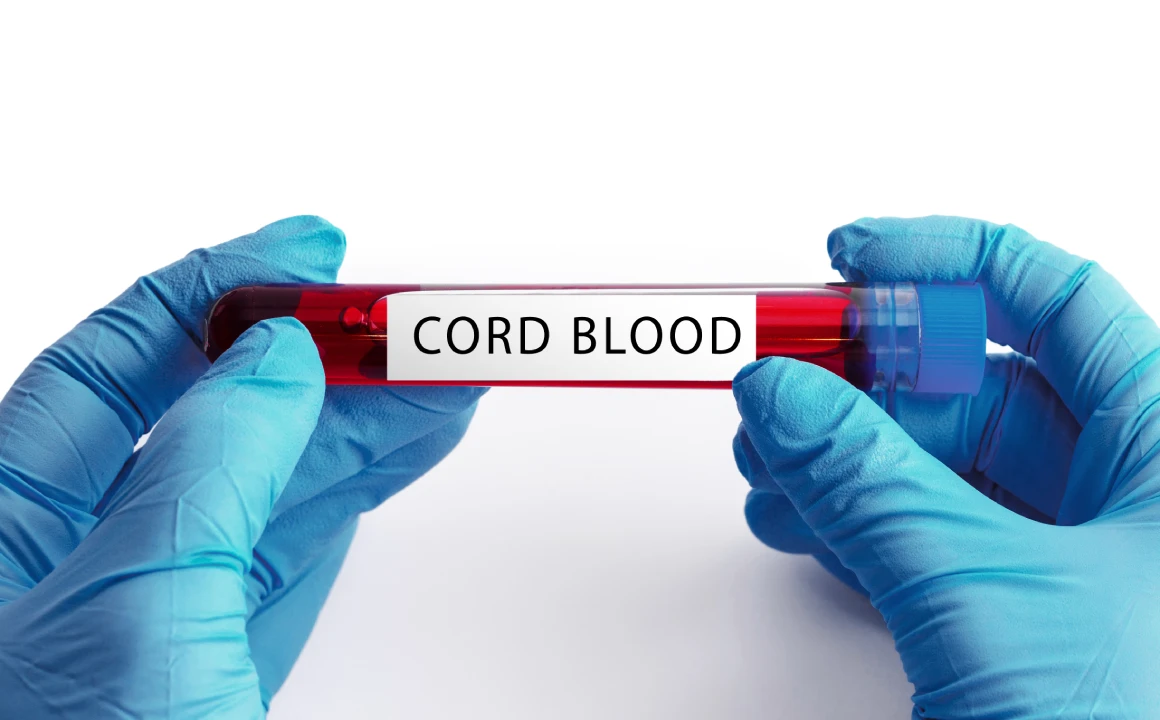
Umbilical Cord Blood Stem Cells: Uses, Benefits, Collection & Storage

Cradle of Nutrition
- 3 minutes read
A quiet moment with hidden value
A baby is born.
The room fills with emotion — relief, joy, maybe even a few tears. The newborn takes its first breath, and all attention turns to this new life.
In the background, something small happens.
The umbilical cord — which supported the baby for months — is clamped and cut. For a long time, what remained was simply thrown away.
But today, we understand something important:
Inside that small amount of blood is a powerful medical resource — stem cells.
What are umbilical cord blood stem cells?
Umbilical cord blood stem cells are immature cells found in a newborn’s umbilical cord blood.
They act as the body’s “repair system” because they can develop into different types of blood and immune cells.
👉 In simple terms: they help rebuild blood and immune function.
What is umbilical cord blood?
Umbilical cord blood is the blood left in the umbilical cord and placenta after birth. It contains stem cells that can regenerate blood and immune cells.
👉 It was once discarded but is now used in medicine and research.
What do cord blood stem cells do?
Cord blood stem cells can:
- create red blood cells
- create white blood cells
- create platelets
- support immune system repair
👉 They are mainly used in blood-related medical treatments.
What do doctors use cord blood stem cells for?
Doctors already use cord blood stem cells in real treatments.
They treat:
- leukemia
- lymphoma
- severe anemia
- immune deficiencies
- genetic blood disorders
👉 They are an alternative to bone marrow transplants.
How cord blood collection works during birth
Medical staff collect cord blood right after delivery.
Step-by-step process:
- The baby is born
- Staff clamp and cut the umbilical cord
- They draw blood from the remaining cord
- They collect the blood in a sterile bag
- They process and freeze the sample
👉 The process takes only a few minutes.
Does cord blood collection hurt?
No, cord blood collection does not hurt the baby or the mother.
- The baby is already separated from the cord
- The mother feels no additional pain
- The procedure is safe and non-invasive
What happens to cord blood after collection?
Cord blood is frozen using cryopreservation, which preserves stem cells for long-term use.
Storage options:
Public cord blood banking
- donated for public use
- used in hospitals worldwide
- free of charge
Private cord blood banking
- stored for family use
- expensive
- rarely used
Is cord blood banking worth it?
Cord blood banking may be useful in rare medical cases, but its value depends on personal choice and medical advice.
Pros:
- only chance to collect is at birth
- may help treat serious diseases
- already used in real medicine
Cons:
- high cost (private storage)
- low probability of use
- not effective for all diseases
Why researchers study cord blood stem cells
Cord blood stem cells attract scientific interest because they behave differently from adult stem cells.
They:
- stay biologically younger
- adapt more easily
- trigger fewer immune reactions
Researchers test them for:
- tissue regeneration
- regenerative medicine
- nerve repair
- immune therapies
Future of cord blood stem cells
Researchers are studying whether they could help in:
- organ repair
- spinal cord injuries
- brain disease treatment
- personalized medicine
- tissue regeneration
👉 This is an active and growing field in medicine.
FAQ:
What do umbilical cord blood stem cells do?
They form blood and immune cells and support treatments for serious diseases.
Is cord blood collection safe?
Yes. Medical staff collect it after birth without risk or pain.
Can cord blood be used later in life?
Yes, if stored correctly, doctors may use it in future treatments.
What is the difference between public and private banking?
Public banking donates cord blood for others. Private banking stores it for family use.
Do doctors recommend cord blood banking?
Doctors often support public donation more than private storage due to low usage rates.
References:
PubMed: Cord Blood Transplantation Studies
Stem Cell Research & Therapy journal
by Erika Barabás