🐾 Animals and Babies: How Pets Shape Child Development, Behavior, and Emotional Well-Being

Cradle of Nutrition
- 3 minutes read
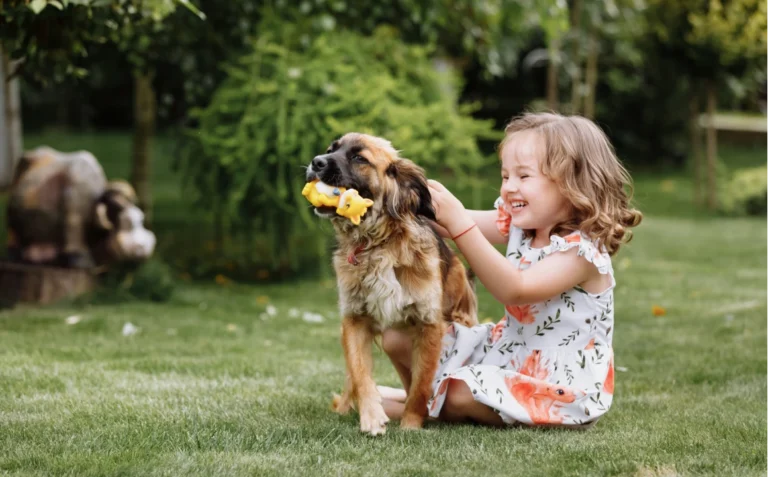
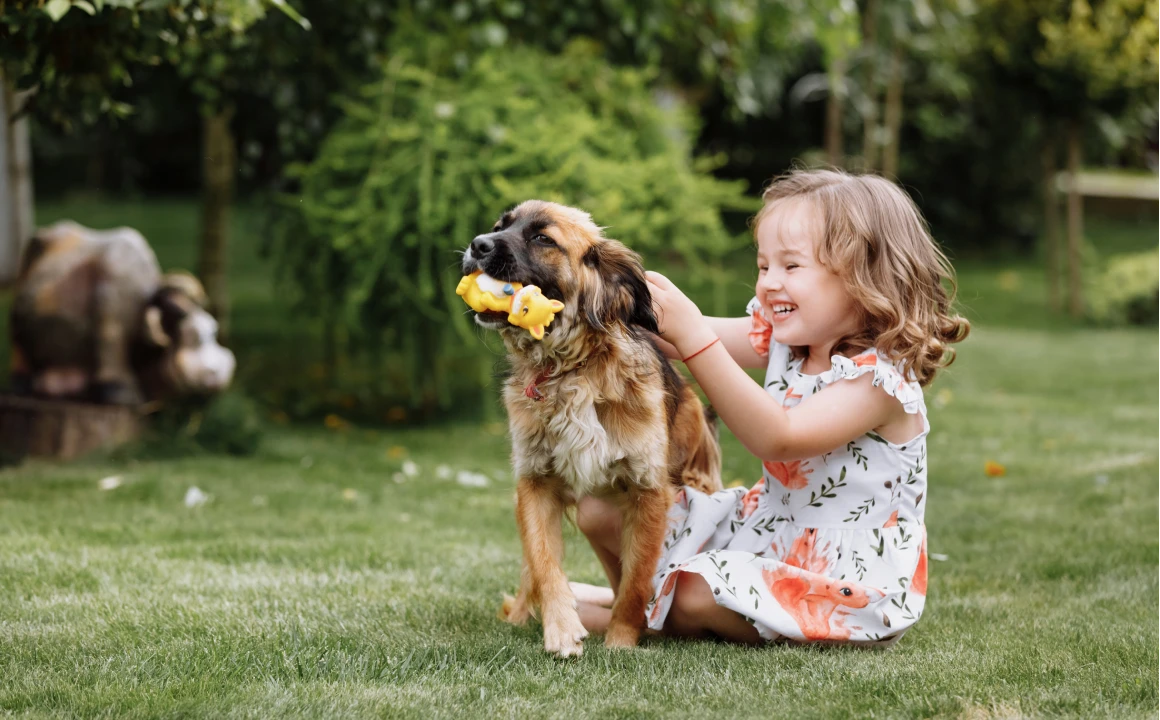
The connection between animals and babies plays a powerful role in early child development. From emotional bonding to social learning, pets can shape how children feel, behave, and understand the world.
Scientific research shows that early interaction with animals can support emotional development, empathy, and social skills, while also helping reduce stress and anxiety. For example, a large review on human-animal interaction highlights strong links between pets and children’s emotional well-being.
However, these benefits depend on safe and guided interaction.
👉 In this article, you will learn:
- How pets influence babies and toddlers
- The emotional and behavioral benefits
- When to introduce animals safely
- How to teach respect and empathy
- What happens after negative experiences—and how to handle them
How Animals Support Early Child Development
Animals can positively influence early child development in several key ways.
Emotional Security and Attachment
Babies naturally seek comfort and connection. Pets can become a source of emotional security, especially during stress.
Research shows that children often use pets as a source of comfort and emotional support, similar to human relationships.
Children may:
- Feel calmer around animals
- Build strong emotional bonds
- Experience reduced loneliness
Learn more about emotional growth in our guide on early child development milestones.
Stress Reduction and Calmness
Interacting with animals can:
- Lower cortisol (stress hormone)
- Increase oxytocin (bonding hormone)
A recent pediatric study confirms that pets can positively affect children’s emotional regulation and stress levels.
Social and Behavioral Benefits of Pets for Toddlers
Building Empathy and Compassion
One of the most important benefits of pets is the development of empathy.
Children learn:
- Animals have feelings
- Their actions affect others
- Care and kindness matter
Research links child–animal bonding with improved psychosocial health and empathy development.
Learning Social Skills Naturally
Pets help children practice:
- Gentle communication
- Understanding non-verbal cues
- Patience and emotional control
They also act as social bridges, helping children feel more comfortable interacting with others.
Cognitive and Learning Benefits
Animals can support brain development and learning.
Children growing up with pets often:
- Improve attention and focus
- Develop stronger language skills
- Show increased curiosity
A review of studies suggests pets can support cognitive and educational development in children.
Increased Physical Activity
Children with pets are often:
- More active
- More engaged in outdoor play
Teaching Respect and Boundaries Through Animals
Learning to interact with animals helps children understand respect and responsibility.
Key Lessons
- Animals are not toys
- They need space and rest
- They can feel fear and stress
Practical Tips
- Teach “gentle hands”
- Model calm behavior
- Explain warning signs (growling, hiding)
When to Introduce Pets to Babies and Toddlers
Infants (0–12 months)
- Observation only
- Full supervision
Toddlers (1–3 years)
- Guided interaction
- Simple rules
Preschool Age (3+)
- Introduce responsibility gradually
Safety First: Supervision and Caretaking
To ensure safe interactions:
- Never leave children alone with animals
- Choose calm, predictable pets
- Always supervise
Negative Experiences Between Children and Animals
This is one of the most critical—and often underestimated—topics.
What Is a Negative Experience?
- Being bitten or scratched
- Sudden fear or shock
- Forced interaction
- Witnessing aggression
How Negative Experiences Affect a Child’s Life
1. Fear and Anxiety Development
Negative experiences can lead to:
- Animal phobias
- General anxiety
Research shows that early fear experiences can shape long-term emotional responses and behavior patterns.
2. Impact on Trust and Emotional Security
Children build trust through experience.
A traumatic interaction may:
- Reduce their sense of safety
- Make environments feel unpredictable
- Influence future relationships
3. Behavioral Changes
Children may:
- Avoid animals
- Become defensive or aggressive
- Show increased emotional sensitivity
4. Long-Term Psychological Effects
If not addressed, early negative experiences can influence:
- Relationship building
- Emotional regulation
- Empathy development
- Comfort in outdoor or social environments
This aligns with broader trauma research showing early experiences shape long-term behavior and emotional health.
Helping a Child Recover from a Negative Animal Experience
Recovery is possible and often very successful.
Step-by-Step Approach
1. Validate Feelings
Acknowledge fear—don’t dismiss it.
2. Gradual Exposure
Start with images or calm observation.
3. Safe Interaction
Use trained, calm animals.
4. Positive Reinforcement
Create positive associations.
5. Professional Support
Animal-assisted therapy has shown positive outcomes.
Best Practices for Parents and Caregivers
- Always supervise
- Introduce animals gradually
- Teach respect early
- Choose suitable pets
- Observe both child and animal behavior
The relationship between animals and babies or toddlers is about more than pets—it’s about learning empathy, trust, and respect for life. Animals can support:
- Emotional growth
- Social skills
- Cognitive development
- Stress reduction
However, the key is safe, respectful, and guided interaction.
by Erika Barabás