C-Section Recovery: Complete Guide for Moms-to-Be
Cradle of Nutrition
- 4 minutes read
A Cesarean section (C-section) is one of the most common surgical procedures used to deliver babies worldwide. However, while many mothers prepare for birth, fewer understand what C-section recovery really involves.
Although it is a routine procedure, a C-section is still major abdominal surgery. Therefore, knowing what to expect can help you feel more confident, reduce stress, and support a smoother recovery.
In this complete guide, you’ll learn about healing timelines, scar care, infection signs, pain management, postpartum sex, and practical recovery tips.
What Is a C-Section?
A C-section is a surgical procedure where a baby is delivered through an incision in the abdomen and uterus.
C-sections can be:
- Planned (elective)
- Emergency (unplanned)
For example, emergency procedures may occur during the later labor stages if complications arise.
Common reasons include:
- Breech position
- Placenta complications
- Multiple pregnancies
- Previous C-section (in some countries this is considered an indication, while in others—such as Sweden—a previous C-section alone is not always a reason for another one)
- Labor not progressing
- Fetal distress
What Happens Immediately After a C-Section
After surgery, you’ll be monitored closely.
First 1–2 hours
During this time, you may feel:
- Numbness (due to anesthesia)
- Shivering
- Nausea
- Fatigue
These effects are similar to those experienced with epidurals during labor.
Meanwhile, medical staff will monitor your vital signs and incision.
C-Section Recovery Timeline
Understanding the recovery timeline helps set realistic expectations.
First 24 hours
- Pain medication is provided
- Gentle movement begins
- Walking is encouraged
Days 2–4
- Hospital stay continues
- Walking improves
- Incision is monitored
Weeks 1–2
- Fatigue and soreness are common
- Vaginal bleeding continues
- Rest is essential
Weeks 4–6
- Pain significantly improves
- Daily activities become easier
- Medical check-up occurs
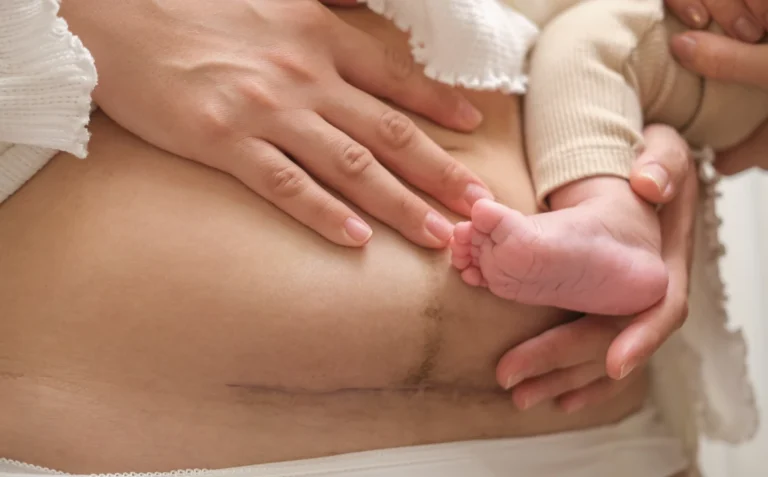
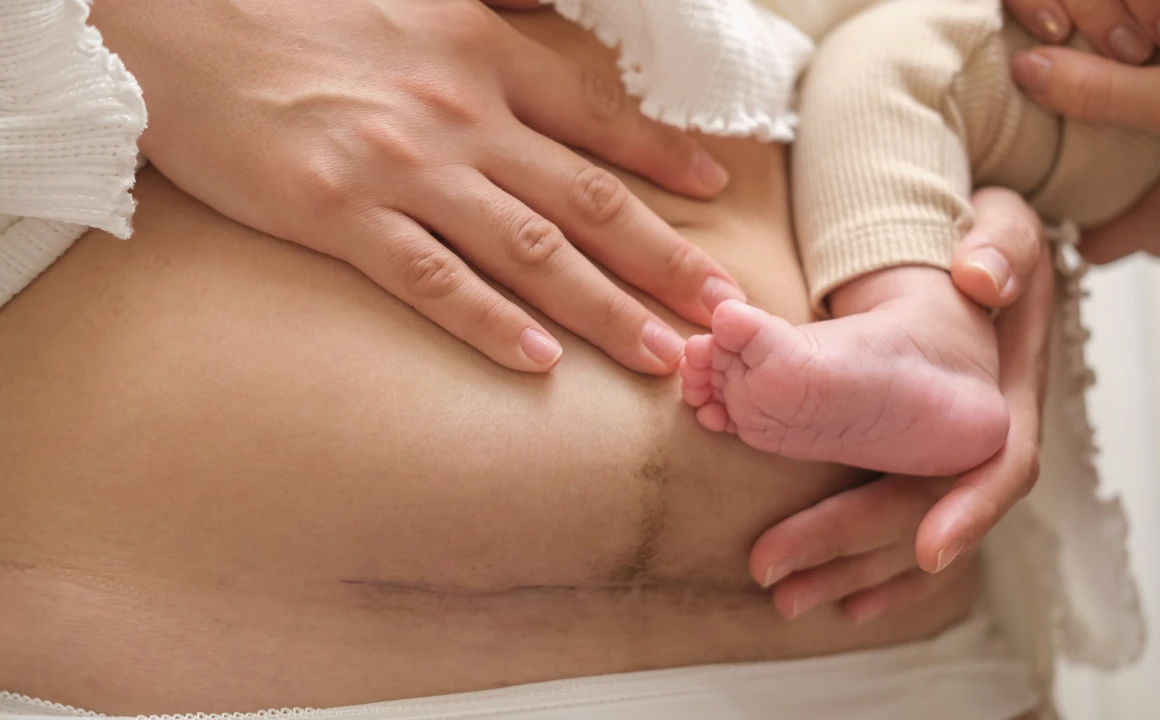
How Long Does a C-Section Scar Take to Heal?
Healing happens in stages.
First 2 weeks
- Incision closes
- Redness and swelling are normal
4–6 weeks
- Outer layer heals
- Pain decreases
3–6 months
- Internal healing continues
- Scar flattens and fades
Does a C-Section Scar Go Away?
A C-section scar does not completely disappear. However, it usually becomes:
- Thin
- Flat
- Pale
Over time (12–18 months), it becomes much less noticeable.
C-Section Infection: Signs and Prevention
Although rare, infections can occur.
Signs to watch for
- Redness or swelling
- Pus or discharge
- Fever
- Increasing pain
Prevention tips
- Keep incision clean and dry
- Wear loose clothing
- Follow medical advice
Early treatment is important, so always contact your doctor if symptoms appear.
Is a Stool Softener Important After a C-Section?
Stool softeners are sometimes recommended after a C-section, but they are not always necessary for everyone.
After surgery, constipation can occur due to:
- Pain medication
- Reduced movement
- Hormonal changes
However, in many cases, simple habits can make a big difference. Staying well hydrated and eating a balanced, fiber-rich diet are essential for supporting healthy digestion.
Therefore, while stool softeners can be helpful when needed (especially if recommended by your doctor), proper hydration, gentle movement, and nutritious food are often just as important for preventing discomfort.
Managing Pain After a C-Section
Pain is normal but improves gradually.
Helpful strategies include:
- Medication
- Gentle movement
- Using a pillow for support
- Warm showers
Most importantly, listen to your body and rest when needed.
Movement and Exercise After a C-Section
Early recovery
- Walking
- Gentle stretching
- Pelvic floor exercises like Kegel exercises
After 6 weeks
- Light workouts
- Yoga or Pilates
However, avoid intense abdominal exercises until fully healed.
When Can You Have Sex After a C-Section?
Most doctors recommend waiting about six weeks.
This allows healing and reduces infection risk.
Additionally, emotional readiness matters just as much as physical healing.
For more guidance, read about postpartum sex.
Scar Massage After a C-Section
Scar massage can help once healing is complete.
Benefits
- Improves circulation
- Reduces tightness
- Prevents adhesions
How to do it
- Use gentle circular motions
- Massage daily (5–10 minutes)
Always wait until your doctor approves.
Breastfeeding After a C-Section
Breastfeeding is possible and encouraged.
Helpful positions include:
- Side-lying
- Football hold
- Laid-back position
These reduce pressure on the incision.
Best Foods for C-Section Recovery
Nutrition plays a key role.
- Protein → healing
- Iron → replaces blood loss
- Vitamin C → supports tissue repair
Also, staying hydrated is essential.
Emotional Recovery After a C-Section
Recovery is not only physical.
Many mothers experience:
- Fatigue
- Anxiety
- Emotional overwhelm
Therefore, support from family and professionals is very important.
Practical Tips for a Smoother Recovery
- Prepare meals in advance
- Ask for help
- Rest as much as possible
- Use supportive clothing
Small preparations can make a big difference.
When to Call Your Doctor
Seek medical help if you experience:
- Heavy bleeding
- Fever
- Severe pain
- Signs of infection
Prompt care ensures a safe recovery.
Frequently Asked Questions (FAQ)
How long does C-section recovery take?
Most women recover within 6–8 weeks, although internal healing can take several months.
Is it safe to have sex after a C-section?
Yes, but usually after 6 weeks. Read more about postpartum sex for detailed guidance.
Can complications during labor lead to a C-section?
Yes. Understanding labor stages helps explain why emergency C-sections may be necessary.
Does anesthesia affect recovery?
Yes, some side effects are similar to those described in epidurals during labor.
C-section recovery takes time, patience, and support. While healing may feel slow at first, it gradually improves.
By understanding the recovery process, following medical advice, and taking care of your body, you can support a smoother postpartum experience.
by Erika Barabás