Endometriosis: Symptoms, Causes, Diagnosis, and Why Early Awareness Matters

Cradle of Nutrition
- 4 minutes read
A medically reviewed guide for every woman
Endometriosis is a chronic gynecological condition affecting millions of women and girls worldwide, often starting in adolescence. Despite its prevalence, it is frequently underdiagnosed, with many waiting years for answers.
This medically reviewed guide helps women, young people, and parents understand:
- what endometriosis is,
- where it can occur,
- the genetic factors behind endometriosis,
- common symptoms,
- how it is diagnosed (including laparoscopy), and
- why early awareness improves quality of life.
Severe menstrual pain is not just “normal”—any pain that disrupts daily life warrants medical attention.
What Is Endometriosis?
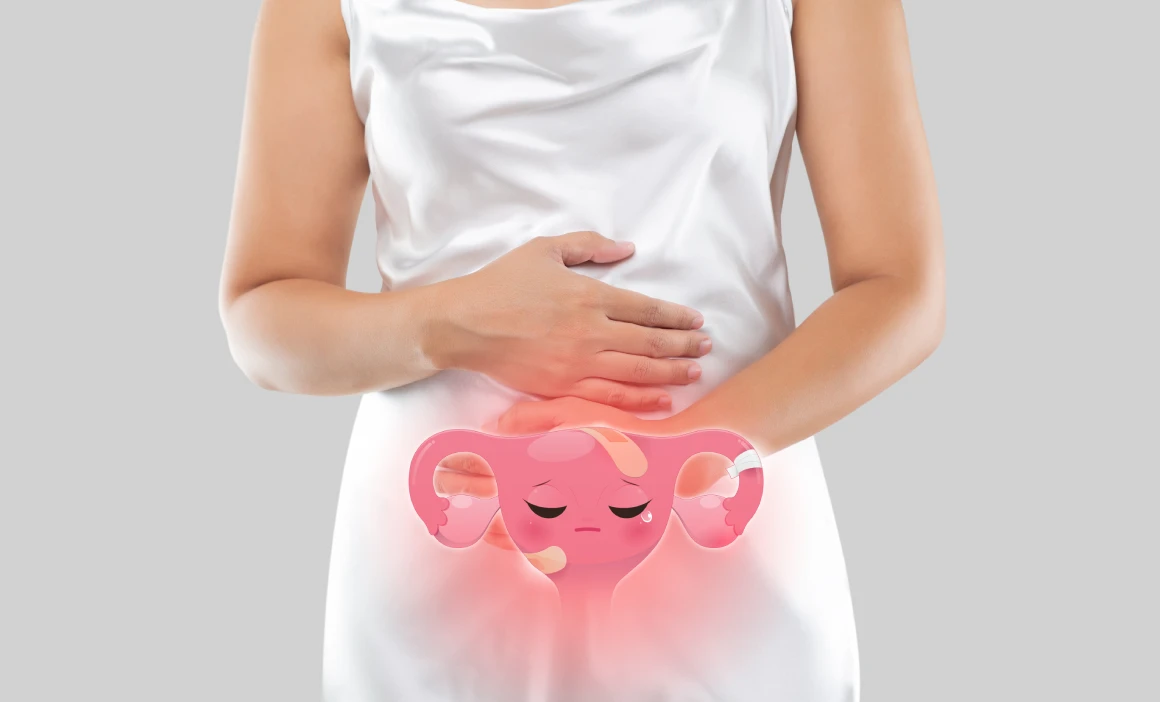
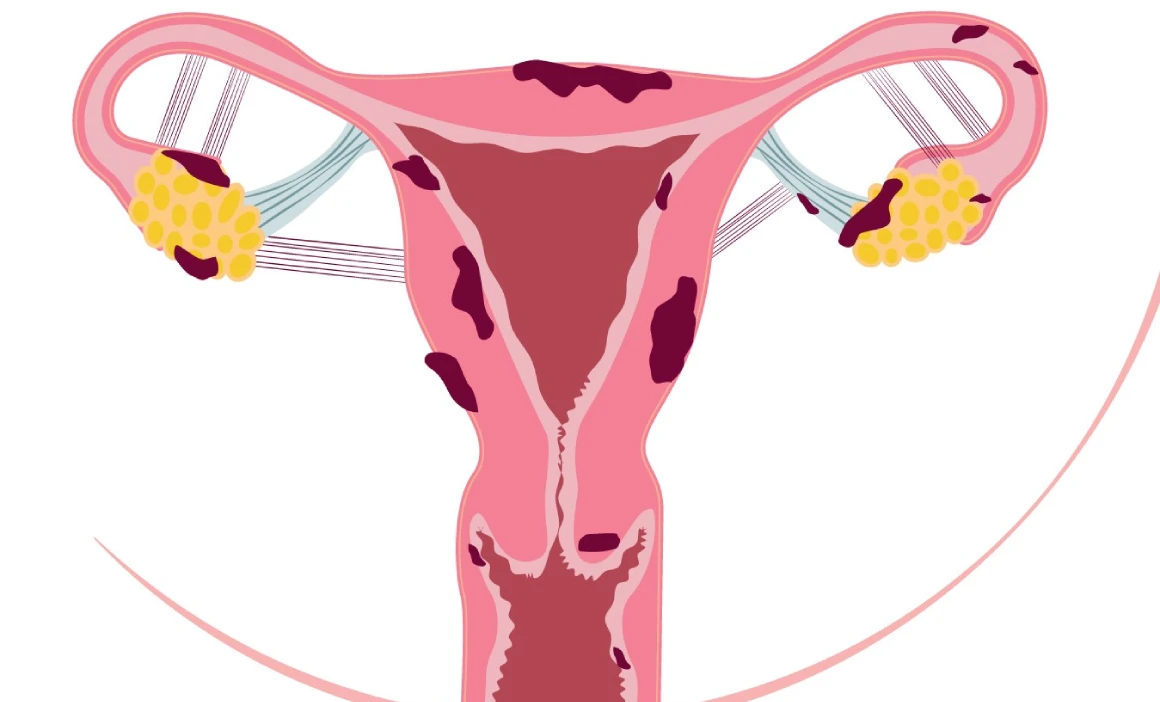
Endometriosis occurs when tissue similar to the uterine lining (endometrium) grows outside the uterus.
These lesions:
- respond to hormonal changes,
- swell and bleed during menstruation,
- but cannot exit the body.
Over time, this can cause:
- chronic inflammation,
- pelvic and systemic pain,
- scar tissue and adhesions,
- organ dysfunction, and
- fertility challenges in some women.
Key point: Endometriosis is not the same as painful periods. It is a chronic, estrogen-dependent condition requiring professional care.
Where Can Endometriosis Occur?
Endometriosis is most commonly found in the pelvis:
- ovaries (including endometriomas),
- fallopian tubes,
- pelvic lining (peritoneum).
It can also appear in less common locations, including:
- intestines (bowel endometriosis),
- bladder and urinary tract,
- diaphragm,
- pelvic or sciatic nerves,
- lungs and chest cavity (thoracic endometriosis).
In rare cases, endometriosis can spread beyond the pelvic region into:
- kidneys,
- diaphragm,
- lungs,
- or even the brain.
🔎 Red flag: Any symptom that occurs cyclically in connection with menstruation, regardless of location, should be evaluated.
Causes of Endometriosis: Genetic Predisposition
Research shows that genetics play a major role in endometriosis.
- Having a first-degree relative (mother or sister) with endometriosis significantly increases your risk.
- Multiple genes related to inflammation, immunity, and hormone regulation influence susceptibility.
- Genetic factors may explain why endometriosis often begins early in life, sometimes shortly after the first period.
Understanding the genetic basis helps reduce self-blame and emphasizes that endometriosis is a medical condition beyond personal control.
Symptoms of Endometriosis
Symptoms vary and do not always match disease severity.
Common symptoms:
- severe menstrual cramps,
- chronic pelvic pain,
- pain during or after sex,
- painful bowel movements or urination (especially during periods),
- bloating, nausea, digestive discomfort,
- fatigue and brain fog.
Symptoms in Adolescents and Young Women
Endometriosis can start at menarche, but diagnosis is often delayed.
Watch for:
- missing school due to period pain,
- pain unrelieved by over-the-counter medication,
- vomiting, diarrhea, or fainting during periods,
- extreme fatigue,
- painful tampon use,
- fear or anxiety about menstruation.
🚩 Pain that disrupts daily life is never normal.
The Role of Parents and Caregivers
Parents are often the first to notice symptoms.
Warning signs include:
- curling up or crying from pain,
- dread or panic before menstruation,
- withdrawal from activities,
- repeated cycle-related abdominal complaints.
Supportive parents help reduce emotional distress and encourage earlier diagnosis.
How Is Endometriosis Diagnosed?
Diagnosis usually involves:
- detailed symptom history,
- pelvic examination,
- imaging (ultrasound or MRI, may miss smaller lesions).
Laparoscopy: The Gold Standard
Laparoscopy is a minimally invasive surgical procedure that allows:
- direct visualization of endometriosis lesions,
- biopsy or removal of affected tissue,
- symptom relief for many patients.
Not every patient requires surgery immediately, but it is often a turning point in confirming diagnosis and guiding treatment.
Why Early Awareness Matters
Early recognition of endometriosis:
- shortens diagnostic delays,
- limits disease progression,
- improves pain control,
- protects mental health,
- preserves fertility options (see our article on endometriosis and pregnancy),
- empowers informed healthcare decisions.
Delayed diagnosis increases the risk of chronic pain and emotional strain.
Treatment and Long-Term Management
There is no cure, but endometriosis is manageable. Treatment may include:
- hormonal therapy,
- pain management,
- surgery when indicated,
- pelvic floor physiotherapy,
- lifestyle and nutritional support,
- psychological care.
The goal is long-term quality of life, not just symptom suppression.
Frequently Asked Questions
Is endometriosis common?
Yes. About 1 in 10 women is affected, though many remain undiagnosed for years.
Can teenagers have endometriosis?
Yes. It can start at the first period. Severe menstrual pain in teens is not normal.
Is painful menstruation normal?
Mild discomfort can occur, but pain that interferes with school, work, or daily life requires evaluation.
What causes endometriosis?
Genetic predisposition is a major factor. Women with a first-degree relative with endometriosis are at higher risk. Genes related to hormones, immunity, and inflammation play a key role.
Can endometriosis be cured?
No, but proper treatment can significantly improve quality of life.
Does endometriosis cause infertility?
Not always. Many women conceive naturally. Early diagnosis improves fertility outcomes—see our article on endometriosis and pregnancy.
When should I see a doctor?
Seek evaluation if pain is cyclical, worsening, resistant to medication, or interferes with daily activities.
Final Medical Perspective
Endometriosis is not exaggeration or weakness.
It is a real gynecological condition, and early diagnosis, medical care, and awareness can dramatically improve quality of life.
by Erika Barabás
Sources: