The Heart of Fatherhood: How Dads Shape the Lives of Their Children

Cradle of Nutrition
- 3 minutes read
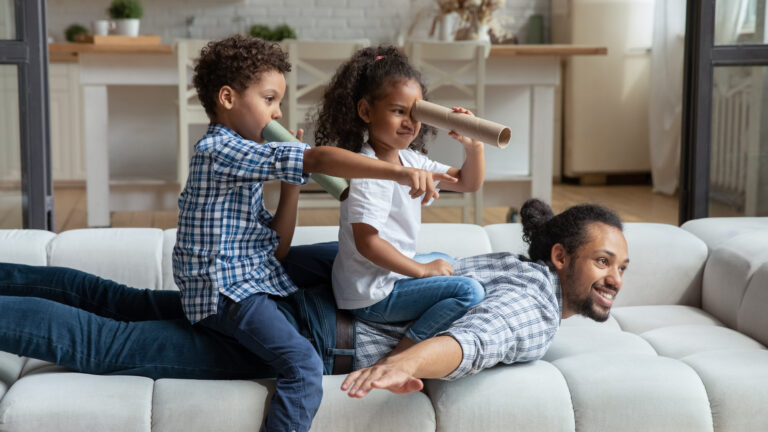
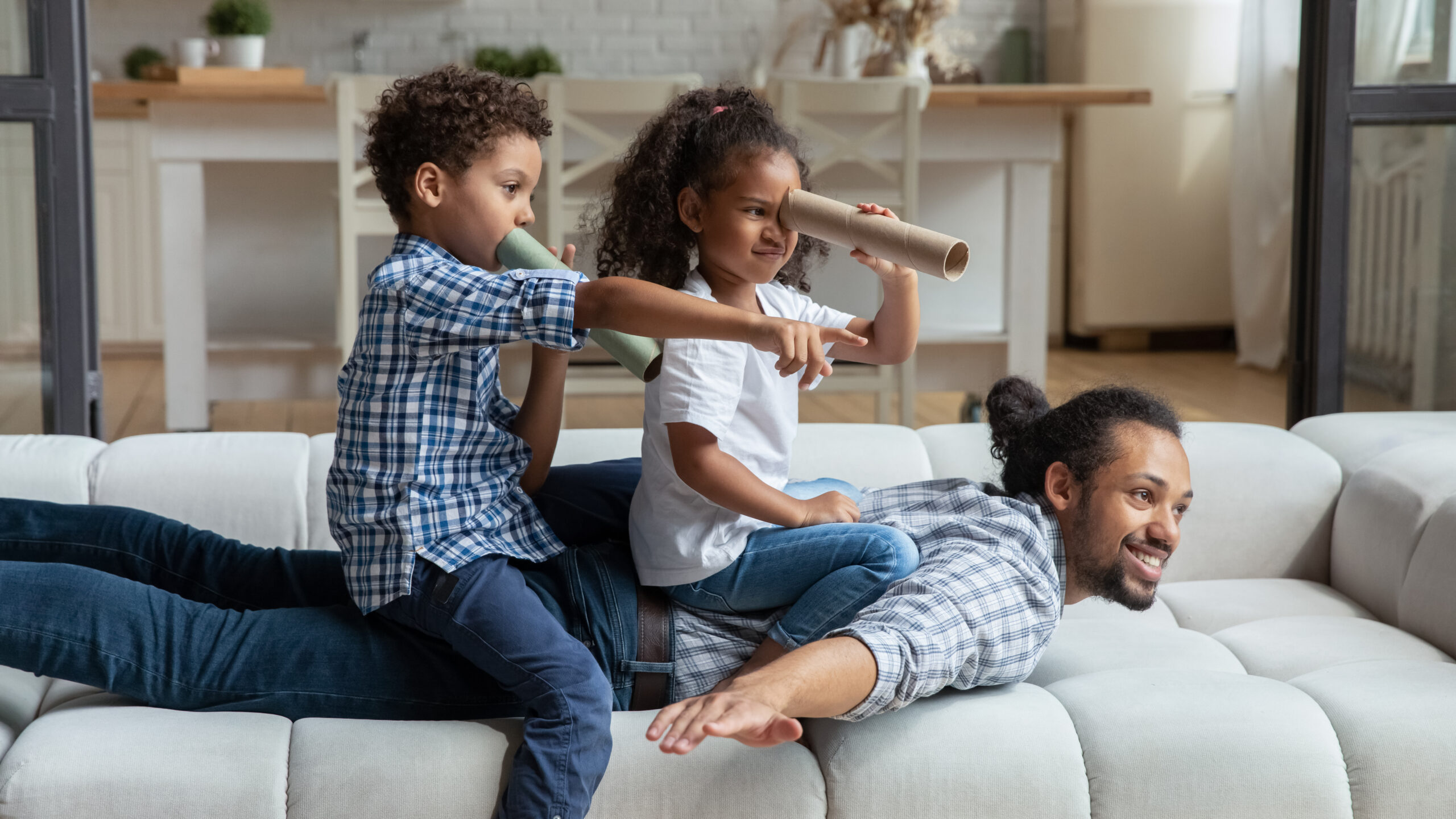
There’s something remarkable about the way a father’s presence ripples through a child’s life. Even ordinary moments can leave lasting impressions. For example, lifting a newborn son in the air, encouraging a child before a school performance, or quietly listening when a daughter needs to talk. These moments are not just memories. They help shape who a child becomes.
Research supports what many of us already know. Children with engaged fathers thrive in both emotional and social ways. In fact, emotional, physical, and consistent involvement has measurable benefits.
There are other essential sources of early influence as well. The magical bond between grandparents and newborns brings warmth, patience, and experience that support a child’s emotional security and attachment.
Fathers and Sons: Building Confidence and Resilience
For boys, a father is often the first male role model. Playful interactions, such as tossing a ball, teaching a skill, or spending time together, help boys handle emotions. They also learn healthy risk-taking and frustration management.
Moreover, research shows that boys with engaged fathers have higher self-esteem and stronger problem-solving skills (Von Jessee & Adamsons, 2018). Fathers who model empathy and respect for others influence how boys understand healthy masculinity (Journal of Adolescence, 2003).
Even ordinary moments — like sharing hobbies or encouraging persistence — have lasting impact. Therefore, everyday fathering shapes sons’ confidence, school performance, and friendships.
Fathers and Daughters: The First Lesson in Love and Respect
Fathers provide daughters with their first example of respect, care, and support. These early experiences influence self-esteem, confidence, and future relationships.
Studies show that daughters with supportive fathers have higher self-worth, stronger social confidence, and better academic motivation. Consequently, they often set higher standards in their relationships.
Even small, daily moments — cheering at a recital, encouraging a new hobby, or simply listening attentively — make a lasting difference. As a result, daughters gain a strong foundation for trust and independence.
Everyday Moments Matter Most
Fatherhood is powerful in everyday acts. Tying shoelaces, asking about the day, or sharing a joke after homework all create secure attachment. This gives children a foundation of trust and emotional safety (Early Child Care Research).
Children who grow up with consistent, caring fathers are more resilient, emotionally balanced, and socially confident. Thus, small, ordinary moments often have extraordinary impact.
The Impact of Father Absence
Not every child grows up with an actively involved father. Unfortunately, absence can have serious effects. Research shows that children without engaged fathers are at higher risk for anxiety, behavioral issues, and academic struggles.
However, absence does not determine destiny. Other caring adults — grandparents, mentors, and teachers — can provide guidance and emotional support. As a result, children can still thrive.
Biological Fathers, Stepfathers, and Father Figures
Fatherhood takes many forms. Love is not limited to biology.
- Biological Fathers: Emotional availability matters more than physical presence. Engaged, supportive fathers help children grow.
- Stepfathers: Warmth, patience, and consistent care allow stepfathers to create meaningful bonds.
- Father Figures: Mentors, coaches, uncles, and grandfathers can provide guidance, confidence, and security.
In all cases, consistent care, attention, and belief in a child matter more than titles.
Fatherhood Shapes Lifetimes
Fatherhood is not about perfection. Instead, it’s about showing up. Playful afternoons, supportive conversations, and quiet attentiveness teach children to cope, trust, connect, and believe in themselves.
Sons learn resilience. Daughters learn self-worth. Fathers leave an indelible mark, one that carries into adulthood and future generations.
by Erika Barabás