Naming a Child: How Baby Names Shape Identity, Culture, and Life

Cradle of Nutrition
- 4 minutes read
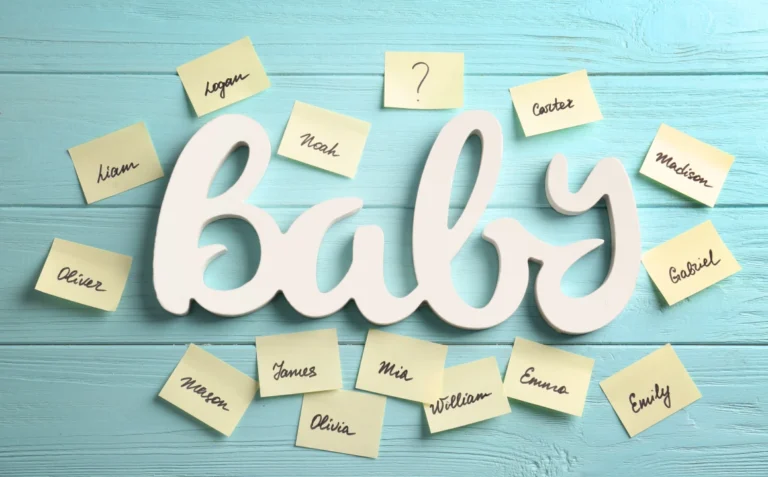
There is a quiet, almost sacred moment that happens before—or just after—a child is born. It is not marked by ceremony or noise, but by a decision: What shall we call this new life?
A name is often the very first gift a parent gives. It is spoken thousands of times, written on forms, whispered in affection, and sometimes shouted in frustration. It follows a person everywhere—into classrooms, friendships, job interviews, and memories. And while it may seem like a simple choice, science, culture, and psychology all suggest that names carry more weight than we might imagine.
Traditional Baby Names: A Bridge Between Past and Future
For much of human history, naming a child was less about creativity and more about continuity. Names were inherited, repeated, and preserved.
A child might carry the name of a grandparent, a religious figure, or a respected ancestor – deepening the emotional connection already present in the early relationship between generations, as explored in the magical bond between grandparents and newborns. In doing so, the name became a bridge between past and future—a way of saying: you belong to something larger than yourself.
Even today, many families feel this pull. Choosing a traditional baby name can feel grounding, like placing roots beneath a newborn life. It connects identity to heritage, language, and memory.
Modern Baby Naming Trends: Between Uniqueness and Belonging
However, in today’s world, naming a child has become a more personal and creative process.
On the one hand, many parents search for unique baby names—something distinctive, something that will help their child stand out. On the other hand, there is still a desire for connection: to culture, to language, to something familiar.
At the same time, modern baby naming trends are influenced by:
- global culture and mobility
- social media and celebrities
- films, books, and digital platforms
As a result, names today travel more easily across borders. Yet, interestingly, research shows that naming trends still follow patterns, rising and falling in popularity much like fashion.
The Psychology of Names: What Science Reveals
Although naming feels deeply emotional, science suggests that it also has measurable effects.
First impressions begin with a name
To begin with, people often form quick judgments based on names alone. A name can suggest background, personality, or even competence—before a person says a single word.
The power of simplicity
Furthermore, studies indicate that names that are easier to pronounce are often perceived more positively. In subtle ways, this can influence social and professional opportunities.
Identity and self-perception
At the same time, a name becomes deeply personal. Over time, individuals form an emotional connection to their own name, which can shape confidence and self-image.
Growing Into a Name: A Quiet Influence
Perhaps the most fascinating idea is that we may grow into our names.
Research on the name-letter effect shows that people are naturally drawn to letters in their own names. In addition, studies suggest that others form expectations based on names—and respond accordingly.
Gradually, this creates a subtle process:
- expectations are formed
- interactions reinforce them
- identity adapts over time
In this way, a name can become a quiet influence, shaping not just how others see us, but how we come to see ourselves.
The Emotional Meaning Behind Choosing a Baby Name
Despite all the research, naming a child is not just a scientific decision—it is a deeply emotional one.
Some names carry memory, chosen to honor someone loved and remembered. Others carry hope—meanings like strength, light, or wisdom. And sometimes, a name is chosen simply because it feels right.
Many parents describe a moment of recognition, when a name seems to belong to the child naturally. It is not something easily explained, yet it often becomes the deciding factor.
When to Choose a Baby Name
The timing of choosing a baby name varies from family to family.
Some parents decide early, during pregnancy, holding onto a name long before they meet their child. Others prefer to wait, allowing the decision to come after birth. In many cases, families create a shortlist and choose when the moment feels right.
Ultimately, there is no perfect time—only the time that feels right.
Practical Considerations When Naming a Child
Even with emotion and meaning at the center, practical factors also matter.
For example, parents often consider:
- how easily the name can be pronounced and spelled
- how it sounds with the family name
- whether it allows for natural nicknames
- how it works in an international context
- whether it carries unintended associations
Balancing meaning with practicality helps ensure that a name supports the child throughout life.
A Name That Becomes a Life
In the end, naming a child is an act that exists somewhere between tradition and individuality, science and emotion.
A name can carry history, reflect the present, and quietly shape the future. It may begin as a choice made in a quiet moment, but it grows into something much larger—a constant companion through life.
Because a name is never just a word.
It is a beginning.
by Erika Barabás