
Why Experiencing Wonder and Magic Matters at Every Age

Cradle of Nutrition
- 4 minutes read
The Psychology Behind Christmas, Rituals, and the Moments We Never Forget
Most people remember a moment from childhood that still feels vivid.
The warm glow of Christmas lights in the evening.
The quiet excitement before opening gifts.
The feeling that something important was about to happen.
As adults, we rarely talk about these moments. We are taught to be practical, realistic, and efficient. Over time, wonder fades from everyday life. Yet psychology shows something important: experiencing wonder is not something we outgrow. It is something we stop allowing.
And when we lose it, life often feels heavier, more stressful, and less meaningful.
What Wonder Really Is
Wonder is often mistaken for fantasy or denial. In psychology, it is closely linked to the emotion of awe. Awe appears when we encounter something meaningful, beautiful, or hard to fully explain.
Wonder can arise during:
- a holiday ritual
- a piece of music
- time in nature
- a quiet shared moment
Research shows that awe calms the mind. The brain areas responsible for constant self-criticism and worry become less active. For a short time, we stop managing ourselves and simply experience what is happening.
Wonder gives the mind space to rest.
Childhood: How Wonder Creates Safety
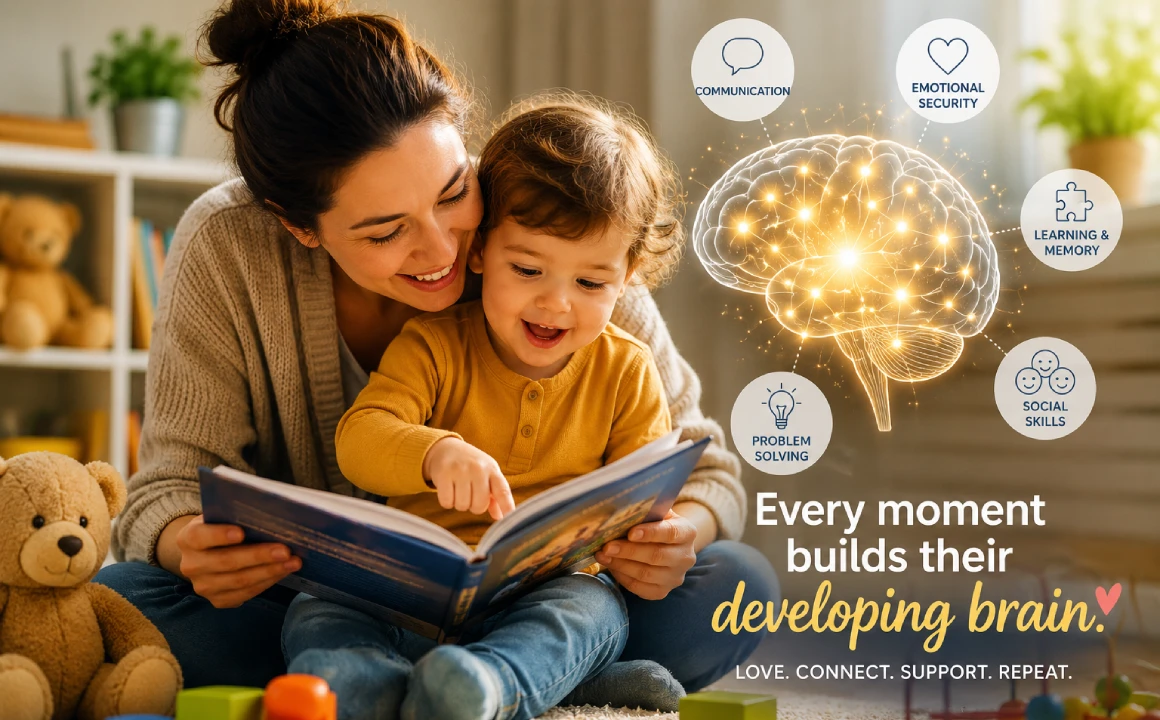
Children naturally live in a world of wonder. They understand life through stories and symbols before logic. This is not a mistake—it is how the brain develops.
A child who believes in Santa Claus is not confused. They are learning trust, anticipation, and emotional meaning.
Picture a child waking up on Christmas morning. The room looks familiar, but also different. Lights glow softly. Gifts are waiting.
To an adult, this is a planned event.
To a child, it feels like the world is generous and kind.
Psychologist Erik Erikson described early childhood as the stage where we ask, often without words: Is the world safe?
Wonder helps children answer that question with trust.
Adolescence: When Wonder Becomes Meaning
As children grow into teenagers, belief in literal magic often fades. But the need for wonder does not disappear. It changes form.
Teenagers experience wonder through:
- music that feels deeply personal
- art that stirs strong emotions
- moments that raise big questions about life
A teenager listening to the same song again and again is not being dramatic. They are using awe to explore identity and emotion. These experiences help them feel understood and less alone.
Family rituals, especially around holidays, also matter deeply at this age. Shared meals, familiar traditions, and repeated patterns offer stability during a time when everything else feels uncertain.
Adulthood: Why Wonder Supports Mental Health
Adult life is often shaped by responsibility, performance, and problem-solving. Over time, this constant focus on control can lead to emotional exhaustion.
Research on burnout shows that stress becomes most damaging when life begins to feel empty or meaningless.
Imagine an adult late on Christmas Eve. The house is quiet. The lights are still on. There is nothing left to fix or plan.
This moment matters. Symbolic spaces—light, silence, familiar rituals—signal safety to the nervous system. The body relaxes. Thoughts slow down.
Wonder in adulthood is often quiet, but it restores balance.
Why Certain Memories Stay With Us
People rarely remember every detail of their lives. They remember moments that carried emotion and meaning.
Psychologist Dan McAdams explains that humans understand their lives through stories. Certain moments become key chapters in those stories.
People often remember:
- the last Christmas spent with a loved one
- a difficult year that still felt warm and connected
- a simple moment that suddenly felt important
These memories stay because wonder turns ordinary time into something meaningful.
Later Life: Wonder as Peace and Integration
In later life, wonder often returns in a calmer form. It becomes reflective rather than intense.
Older adults often look back and ask whether their life makes sense as a whole. Rituals and symbolic moments help with this process.
When grandparents repeat holiday traditions with grandchildren, they are not just celebrating. They are connecting past, present, and future. They are witnessing continuity.
Research shows that symbolic and spiritual experiences later in life are linked to greater emotional peace and life satisfaction.
Why Christmas Still Holds Power
Christmas remains powerful because it brings together repetition, symbolism, and shared time. Lights represent warmth and hope. Traditions create familiarity. Shared meals and stories strengthen bonds.
Even people who do not consider themselves religious often feel something during Christmas. That feeling is not about belief. It is about connection and meaning.
During uncertain or difficult times, these rituals become even more important. They offer stability when the world feels unpredictable.
Wonder Is Not Escapism
It is easy to think of wonder as nostalgia or avoidance. Research suggests the opposite.
Wonder:
- reduces stress
- supports emotional balance
- strengthens social connection
- increases a sense of meaning
It does not pull us away from reality. It helps us meet reality with greater emotional strength.
Why Wonder Matters
Experiencing wonder is not childish. It is human.
Children need it to feel safe.
Teenagers need it to find meaning.
Adults need it to stay balanced.
Older adults need it to find peace.
When we protect moments of wonder—through rituals, holidays, music, or quiet reflection—we are not being sentimental.
We are caring for our mental health, our relationships, and our sense of meaning.
You may also like: How Music Builds the Brain – Discover how musical experiences shape learning, memory, and emotional development.
by Erika Barabás
References
- Erikson, E. H. (1963). Childhood and Society
- Piaget, J. (1954). The Construction of Reality in the Child