Pregnancy Gender Myths: Cultural Beliefs vs. Real Science
Cradle of Nutrition
- 4 minutes read
Pregnancy is one of life’s most magical and mysterious experiences. Predicting a baby’s gender has fascinated humans for centuries. Long before ultrasounds or genetic testing existed, cultures around the world created fascinating beliefs about how to tell whether a baby would be a boy or a girl.
From cravings and bump shape to linea nigra lines, sleeping preferences, and breast changes, these myths have been passed down for generations. Today, science provides certainty, but these stories reveal a rich tapestry of culture, imagination, and human curiosity.
For example, in Western folklore, the stork symbolizes childbirth, connecting mythology and pregnancy traditions across generations. (Read more about The Stork and the Magic of New Beginnings )
Why People Believe Gender Myths
Pregnancy fills families with anticipation and uncertainty. Therefore, gender myths offered:
- A sense of connection to the unborn baby
- A fun distraction during the long wait
- A way to share traditions and stories across generations
Although entertaining, these beliefs remain cultural rather than scientific. Still, they play an important emotional role.
Top Pregnancy Gender Myths Around the World
1. Sweet vs. Salty Cravings
Many people believe that sweet cravings indicate a girl, while salty or savory cravings signal a boy. This myth appears across Europe, North America, and the Middle East.
Reality: Cravings happen due to hormones, nutrition, and cultural habits. They cannot predict a baby’s gender. (Healthline, 2023)
2. Belly Shape
Some claim that a high and round belly indicates a girl, while a low and pointed belly suggests a boy. This belief exists worldwide.
Reality: Belly shape depends on posture, muscle tone, and the baby’s position. It does not indicate gender. (Times of India, 2023)
Tip: Track your pregnancy growth for health, not gender. For more about physical changes, see How the body changes during pregnancy.
3. Fetal Heart Rate
A popular myth suggests that a fetal heart rate above 140 BPM signals a girl, and below 140 BPM signals a boy.
Reality: Heart rate changes naturally with gestational age and activity. It does not reliably indicate gender. (Healthline, 2023)
You can learn more about fetal development for safe pregnancy practices.
4. Morning Sickness
Some believe that severe nausea predicts a girl, while mild nausea predicts a boy.
Reality: Hormonal fluctuations cause morning sickness. Although some studies suggest slightly higher nausea in pregnancies with female fetuses, it cannot accurately predict gender.
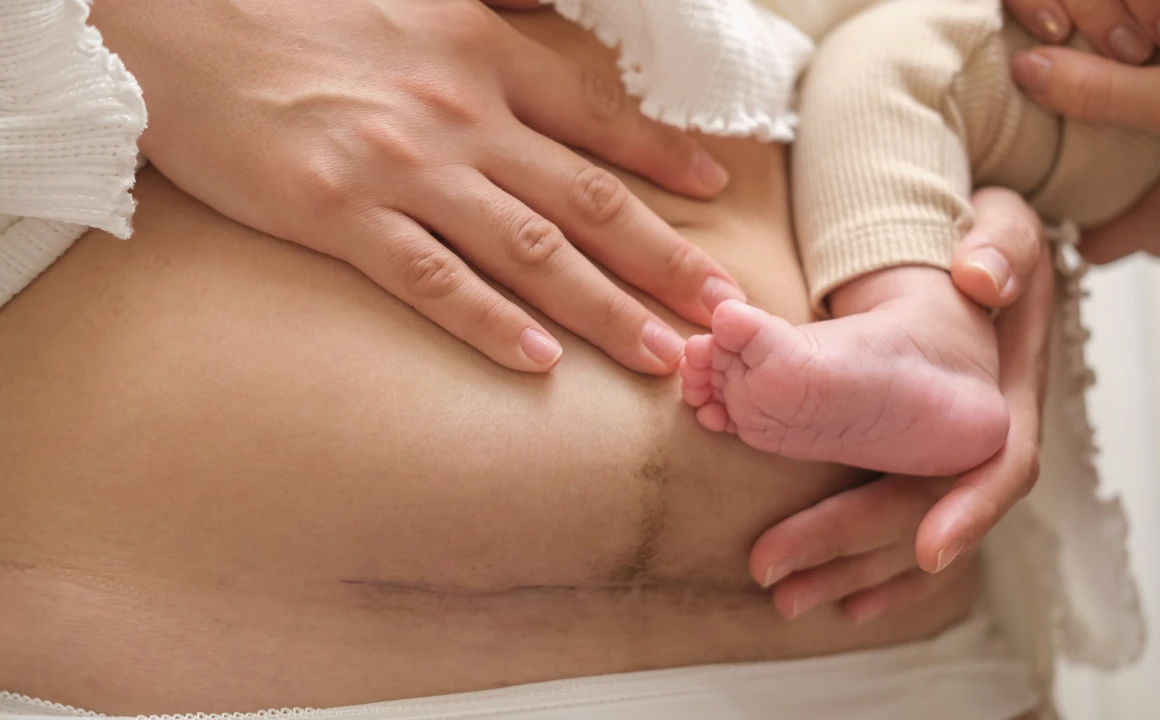
5. Linea Nigra Length
The linea nigra, a dark line on the belly, supposedly indicates gender: long above the belly button = boy, short below = girl.
Reality: Linea nigra darkens due to hormones and pigmentation — not gender. (OnlyMyHealth, 2023)
6. Sleeping Side
Many myths claim that sleeping on the left side indicates a boy, and the right side a girl.
Reality: Expectant mothers choose sleeping positions for comfort and circulation. Gender does not influence this preference.
7. Breast Size
A common belief suggests that a larger increase in the right breast signals a boy, while the left signals a girl.
Reality: Hormonal changes cause breast growth. This growth is not linked to the baby’s sex.
8. Ring or Hanging Object Tests
People often swing a ring over the belly: circles supposedly indicate a girl, back-and-forth movement a boy.
Reality: Motion is influenced by gravity and hand movement, not gender. (Healthline, 2023)
9. Chinese Gender Chart
This ancient chart predicts gender based on the mother’s age and month of conception.
Reality: Accuracy is ~50%, equivalent to guessing. (Snuggymom, 2023)
10. Pregnancy Glow
Some say a radiant glow indicates a boy, while breakouts or dull skin indicate a girl.
Reality: Hormonal changes, not fetal sex, influence skin and hair.
11. Other Fun Beliefs
Other myths include dry hands = boy, partner gaining weight = girl, or dreams predicting gender (Brightside, 2023)
These beliefs are entertaining but not scientifically supported.
How a Baby’s Gender is Actually Determined
Biologically, a baby’s gender is set at fertilization:
- XX chromosomes = female
- XY chromosomes = male
Nothing a mother eats, feels, or does can influence this outcome. Only ultrasound imaging or genetic testing can reliably reveal gender before birth.
Why These Myths Still Matter
Even though they aren’t scientifically accurate, gender myths are culturally and emotionally valuable:
- Cultural Tradition: They preserve stories and heritage.
- Family Bonding: Sharing and guessing creates excitement.
- Emotional Comfort: Myths offer a playful sense of control.
- Entertainment: They make pregnancy discussions more enjoyable.
A 2025 survey found that nearly half of new parents believed in at least one pregnancy gender myth, highlighting their continued popularity. (The Sun, 2025)
FAQ: Pregnancy Gender Myths
Q1: Do food cravings predict my baby’s gender?
A: No. Cravings are influenced by hormones, nutrition, and cultural habits, not gender.
Q2: Can the belly shape tell if it’s a boy or girl?
A: No. Belly shape depends on body type, posture, and baby position, not sex.
Q3: Does the fetal heart rate indicate gender?
A: No. Heart rate changes naturally and is not a gender predictor.
Q4: What about linea nigra or skin changes?
A: Dark lines or “pregnancy glow” are caused by hormones, not the baby’s sex.
Q5: Are myths like sleeping side, breast size, or ring tests reliable?
A: No. These are cultural beliefs for fun — there’s no scientific evidence supporting them.
Q6: How is a baby’s gender actually determined?
A: By chromosomes at fertilization: XX = girl, XY = boy. Only ultrasound or genetic testing can confirm gender accurately before birth.
Pregnancy gender myths are more than superstition — they reflect culture, imagination, and curiosity. From sweet cravings to linea nigra lines, these beliefs highlight how humans have tried to make sense of one of life’s greatest mysteries for centuries.
While science provides certainty, myths provide fun, bonding, and cultural connection — and there’s value in both.
by Erika Barabás