
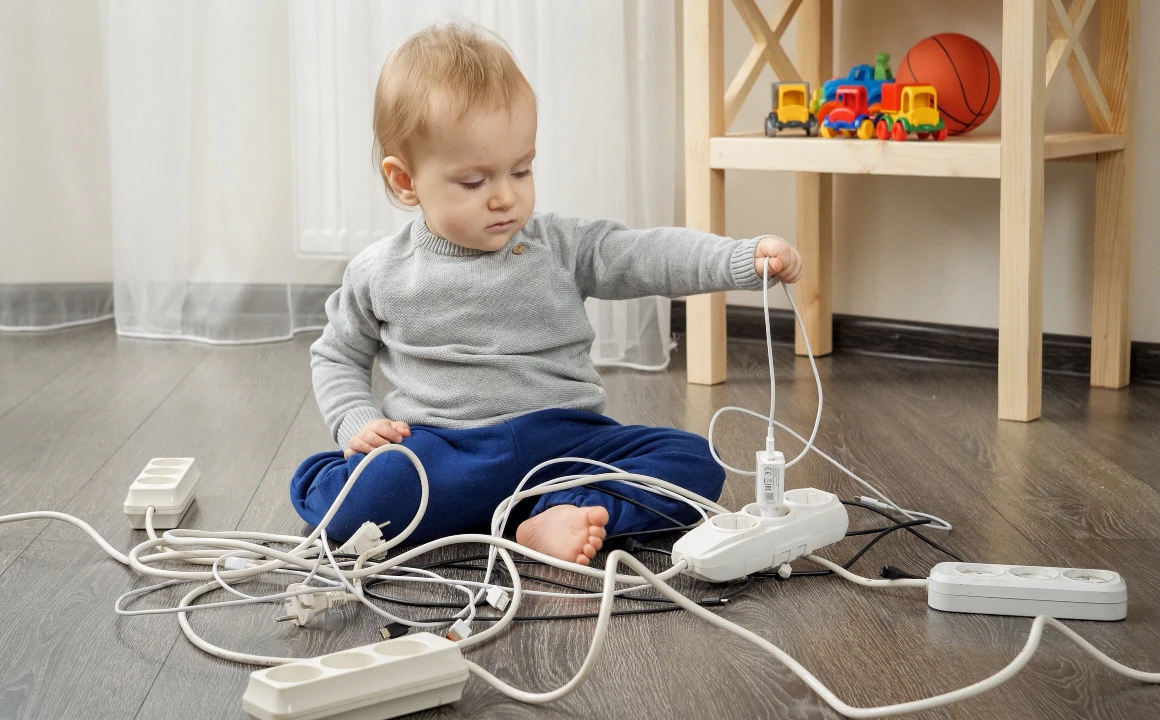
Child Safety at Home (Ages 0–6): Complete Guide to Prevent Accidents and Keep Your Child Safe

Cradle of Nutrition
- 3 minutes read
Why Child Safety at Home Matters Most
Child safety at home is one of the most important responsibilities for parents of babies, toddlers, and preschool children (ages 0–6). While home feels safe, research shows that most child accidents happen at home, often during everyday activities.
Young children are especially vulnerable because they:
- Explore constantly
- Climb, grab, and move without understanding danger
- Put objects in their mouths
The good news is that most accidents are preventable with simple safety measures and awareness.
Why Children Aged 0–6 Are at Higher Risk
Children in early development stages are naturally curious but lack judgment.
- 0–1 years: grabbing, rolling, mouthing objects
- 1–3 years: walking, climbing, exploring everything
- 3–6 years: more independent, but still impulsive
Most Common Home Accidents in Young Children
Falls (Most Common)
Falls are the leading cause of injury:
- From stairs, beds, furniture
Burns and Scalds
- Hot drinks
- Cooking surfaces
- Bath water
Poisoning
- Medicines
- Cleaning products
- Toxic plants
Choking and Suffocation
- Small toys
- Food
- Household objects
Essential and Required Safety Measures at Home
Some safety measures are essential, while others may be required by law depending on your country.
Examples include:
- First aid kit (essential for emergencies)
- Smoke alarms (legally required in many homes)
- Pool fences or barriers (required where pools are present)
These form the foundation of a safe home for young children.
Home Safety Checklist: Key Risk Areas Parents Must Secure
Doors
✔ Install finger pinch guards
✔ Use childproof locks
✔ Keep dangerous areas locked
Windows
✔ Install window locks or guards
✔ Keep furniture away from windows
✔ Never rely on insect screens
Medicines
✔ Store in locked cabinets
✔ Keep out of sight and reach
✔ Never call medicine “candy”
Toxic Items and Chemicals
✔ Lock away cleaning products
✔ Keep items in original containers
✔ Store batteries and detergents safely
✔ Be aware of toxic plants
Falls
✔ Install stair gates
✔ Secure furniture and TVs
✔ Use non-slip mats
Burns and Fire Risks
✔ Install smoke alarms
✔ Keep hot items out of reach
✔ Turn pot handles inward
✔ Lock away matches and lighters
Outdoor Safety for Children (0–6 Years) 🌳
Children are also at risk outside the home.
Common Risks
- Playground falls
- Traffic
- Water hazards
- Plants and insects
Safety Tips
✔ Always supervise
✔ Use age-appropriate equipment
✔ Stay close in public areas
Supervision: The Most Important Safety Tool
No safety device replaces active supervision.
- Stay close during risky situations
- Avoid distractions
- Be extra alert during new skills (walking, climbing)
Teaching Safety to Young Children
Children aged 2–6 can begin learning safety.
Teach:
- “Hot” and “danger”
- Not putting objects in their mouth
- Asking for help
Common Mistakes Parents Should Avoid
- Leaving children alone “for a moment”
- Underestimating climbing ability
- Not securing furniture
- Keeping dangerous items accessible
Creating a Safe but Supportive Environment
Children need both:
- Safety
- Freedom to explore
A well-prepared home allows children to:
- Build confidence
- Learn independence
- Develop safely
Child Safety Checklist (0–6 Years)
✔ Install safety gates
✔ Lock medicines and chemicals
✔ Remove toxic plants
✔ Install smoke alarms
✔ Keep hot items away
✔ Supervise water activities
✔ Secure furniture
✔ Check your home regularly
A Safe Home Helps Children Thrive
Child safety at home for ages 0–6 is about awareness, preparation, and consistency.
Research shows:
- Most accidents happen at home
- Young children are most at risk
- Prevention is highly effective
By creating a safe environment and guiding your child, you support both protection and healthy development.
by Erika Barabás