Creative and Nutritious Finger Foods for Babies and Toddlers
Cradle of Nutrition
- 5 minutes read
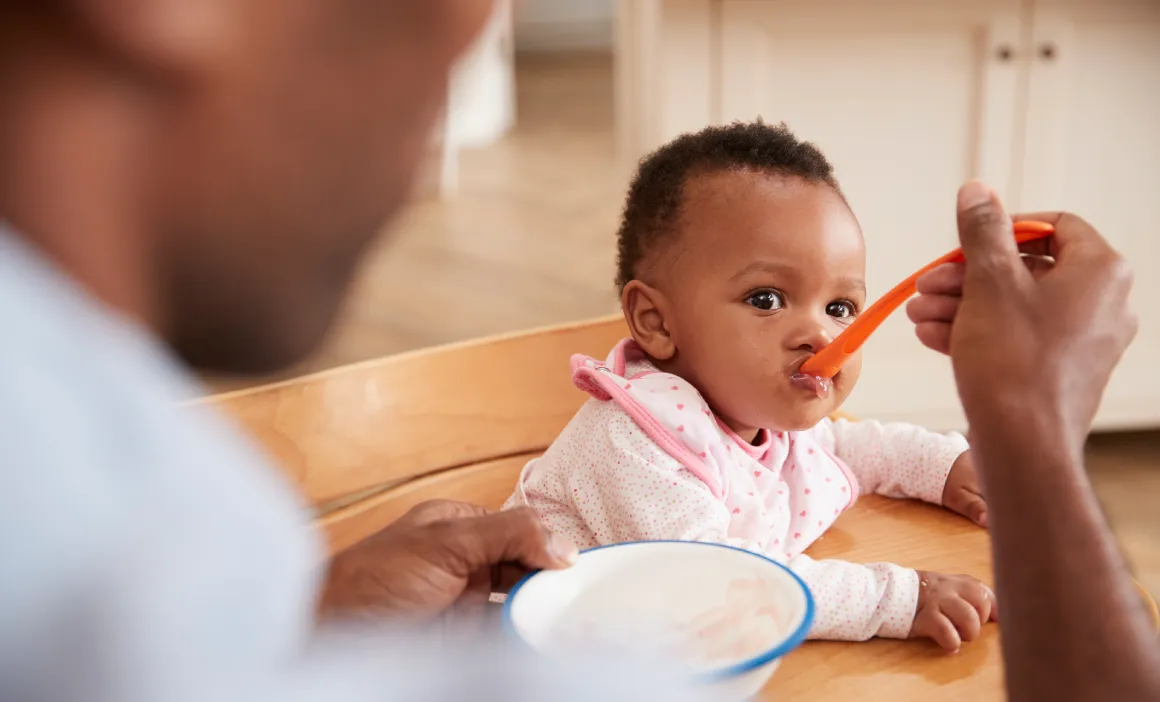
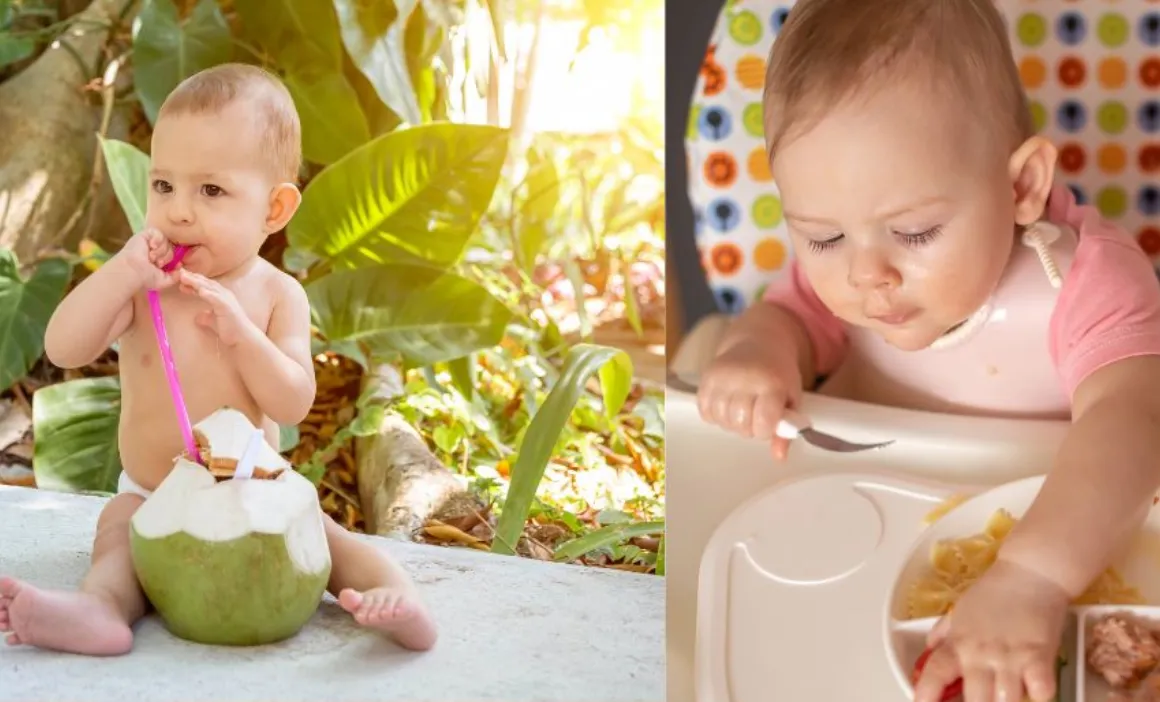
The transition from spoon-fed meals to self-feeding is an important stage in a child’s development. Finger foods help babies and toddlers build confidence, improve coordination, and discover a variety of flavors and textures. At the same time, nutritious finger foods can contribute to healthy growth and establish positive eating habits from an early age.
In this guide, we’ll explore the importance of finger foods, share creative recipe ideas, discuss how to choose healthy ingredients, and provide practical mealtime tips for success.
Importance of Finger Foods for Babies and Toddlers
Finger foods play a vital role in a child’s early development. As babies transition from purees to more textured foods, they begin learning how to grasp, chew, and feed themselves independently.
Promoting Self-Feeding and Motor Skills
One of the biggest benefits of finger foods is the development of fine motor skills. Picking up small pieces of food helps babies improve hand-eye coordination, finger dexterity, and pincer grasp abilities. These skills are essential for future tasks such as writing, drawing, and dressing independently.
Additionally, self-feeding encourages confidence and independence. Children feel empowered when they can control what and how much they eat.
Enhancing Nutrition for Young Children
Nutritious finger foods allow parents to offer a variety of nutrient-dense options. Fruits, vegetables, whole grains, dairy products, and proteins can all be served in manageable pieces suitable for little hands.
By exposing children to different food groups early, parents can help ensure a balanced intake of:
- Protein for growth and development
- Healthy fats for brain development
- Iron for healthy blood production
- Calcium for strong bones and teeth
- Vitamins and minerals for overall health
Reducing Picky Eating Habits
Research suggests that repeated exposure to a variety of foods helps children become more accepting of new flavors and textures. Finger foods encourage exploration and sensory learning, making children more likely to try unfamiliar foods.
Offering colorful and diverse finger foods regularly can reduce picky eating behaviors and support a more adventurous palate as children grow.
Creative Recipe Ideas for Nutritious Finger Foods
Finding healthy finger food ideas doesn’t have to be complicated. Here are some creative and nutritious options that babies and toddlers will enjoy.
Fruit-Based Finger Foods
- Soft banana slices
- Blueberries cut appropriately for age
- Ripe pear cubes
- Watermelon sticks
- Mango chunks
- Strawberry pieces
- Apple slices steamed until soft
Vegetable Finger Foods
- Steamed carrot sticks
- Roasted sweet potato cubes/slices
- Avocado slices
- Cucumber sticks
- Steamed broccoli florets
- Zucchini rounds
- Roasted butternut squash cubes
Protein-Rich Finger Foods
- Mini turkey meatballs
- Shredded chicken pieces
- Scrambled egg strips
- Baked salmon flakes
- Soft tofu cubes
- Black bean patties
- Cheese cubes for older toddlers
Fun and Creative Finger Food Combinations
Rainbow Veggie Cups
Arrange colorful vegetables in silicone muffin liners for a visually appealing snack.
Banana Oat Pancake Bites
Make mini pancakes using mashed banana, oats, and eggs for a nutritious breakfast option.
Sweet Potato and Chicken Nuggets
Combine mashed sweet potato and shredded chicken into bite-sized nuggets and bake until golden.
Fruit Kabobs
Thread soft fruits onto toddler-safe skewers or straws for a fun presentation.
Tips for Making Meals Visually Appealing
Toddlers are naturally drawn to colorful foods. To make finger foods more attractive:
- Create rainbow-themed snack plates
- Use cookie cutters for fun shapes
- Arrange foods into animal faces or simple designs
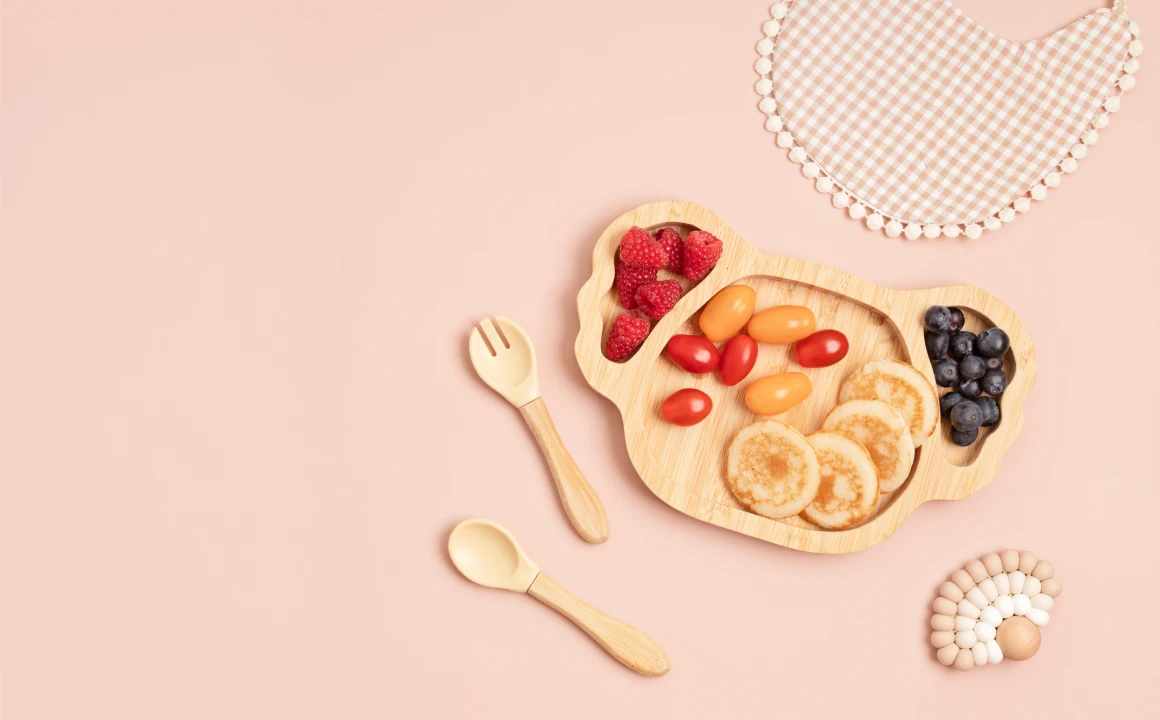
- Serve foods in colorful divided plates
- Rotate colors and textures regularly
Easy Preparation and Storage Tips for Busy Parents
Meal preparation can save time during busy weeks.
- Batch-cook finger foods and freeze portions
- Use silicone freezer trays for individual servings
- Store cut fruits and vegetables in airtight containers
- Prepare snack boxes ahead of time
- Label frozen meals with dates for easy rotation
Selecting Ingredients for Healthy Finger Foods
Choosing high-quality ingredients helps maximize nutrition and supports healthy development.
Key Nutrients Important for Babies and Toddlers
Iron
Iron supports cognitive development and healthy blood cells.
Sources include:
- Lean meats
- Eggs
- Lentils
- Beans
- Iron-fortified cereals
Healthy Fats
Healthy fats are crucial for brain growth.
Sources include:
- Avocados
- Salmon
- Nut butters (age and allergy appropriate)
- Full-fat yogurt
Calcium
Calcium supports growing bones and teeth.
Sources include:
- Cheese
- Yogurt
- Tofu
- Fortified plant-based products
Fiber
Fiber promotes healthy digestion.
Sources include:
- Fruits
- Vegetables
- Whole grains
- Beans
Potential Allergens to Consider
When preparing finger foods, parents should be mindful of common food allergens, including:
- Eggs
- Dairy
- Peanuts
- Tree nuts
- Soy
- Wheat
- Fish
- Shellfish
Current pediatric recommendations often encourage introducing common allergens early, when developmentally appropriate, while following guidance from your child’s healthcare provider.
Always introduce new foods one at a time and watch for signs of allergic reactions.
Choosing Organic and Locally Sourced Ingredients
Whenever possible, consider:
- Organic fruits and vegetables
- Locally grown produce
- Seasonal ingredients
- Fresh farm products
- Minimally processed foods
Local and seasonal foods are often fresher and may contain higher nutrient levels while supporting local farmers and reducing environmental impact.
Mealtime Tips for Introducing Finger Foods
The transition to finger foods can be exciting, but it also requires patience and supervision.
Introduce Finger Foods Safely
To reduce choking risks:
- Offer soft, age-appropriate textures
- Cut foods into manageable sizes
- Avoid hard, round, or sticky foods
- Always supervise meals
- Ensure your child is seated upright during eating
Examples of foods requiring extra caution include whole grapes, popcorn, nuts, and large chunks of raw vegetables.
Managing Mealtime Messes
Messes are a normal part of learning.
To make cleanup easier:
- Use washable bibs
- Place a mat under the high chair
- Serve small portions initially
- Allow children to explore foods without pressure
- Keep wipes nearby for quick cleanup
Remember that touching, squishing, and playing with food often helps children learn about textures and develop feeding skills.
Encouraging Self-Feeding
Self-feeding may be messy at first, but consistency helps build confidence.
Parents can:
- Demonstrate how to pick up food
- Offer manageable food sizes
- Avoid taking over the feeding process
- Praise effort rather than quantity eaten
- Allow children to eat at their own pace
Creating a Positive Dining Environment
Healthy eating habits often begin with positive mealtime experiences.
Try to:
- Eat together as a family when possible
- Limit distractions such as television and tablets
- Offer a variety of foods without pressure
- Maintain a predictable meal schedule
- Model healthy eating behaviors
Children learn by observing adults, making family meals a valuable opportunity for teaching lifelong healthy habits.
Creative and nutritious finger foods for babies and toddlers support self-feeding, motor skill development, and healthy eating habits. By offering a variety of fruits, vegetables, proteins, and whole foods, parents can encourage exploration while meeting important nutritional needs.
With thoughtful ingredient selection, safe feeding practices, and a positive mealtime environment, finger foods can become a valuable part of your child’s growth and development journey.
The key is consistency, patience, and making healthy foods both accessible and enjoyable. Small daily experiences with nutritious finger foods can help establish healthy eating habits that last a lifetime.
Sources:
Infant and Toddler Nutrition | CDC
NSH – Baby and Toddler Feeding Advice
by Erika Barabás