Newborn Umbilical Cord Care: How to Keep Your Baby’s Belly Button Clean and Healthy

Cradle of Nutrition
- 6 minutes read
Newborn umbilical cord care is an important part of looking after your baby during the first weeks at home. Although the umbilical cord stump may look delicate, caring for it is usually simple. By keeping it clean and dry, you can help your baby’s belly button heal naturally and reduce the risk of infection.
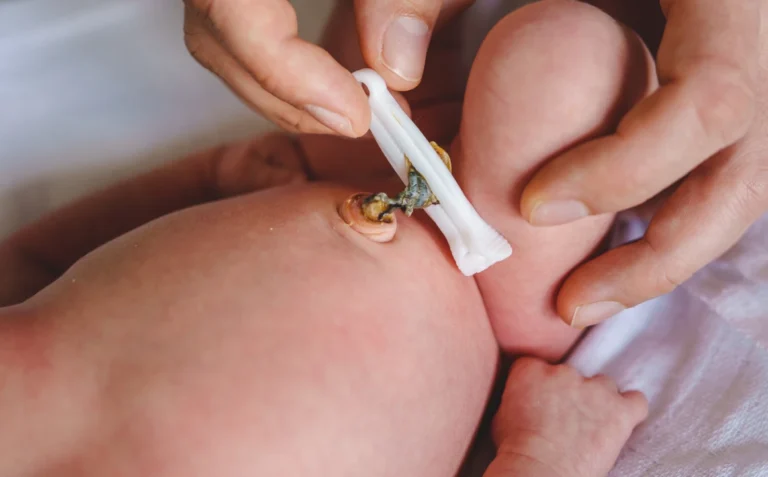
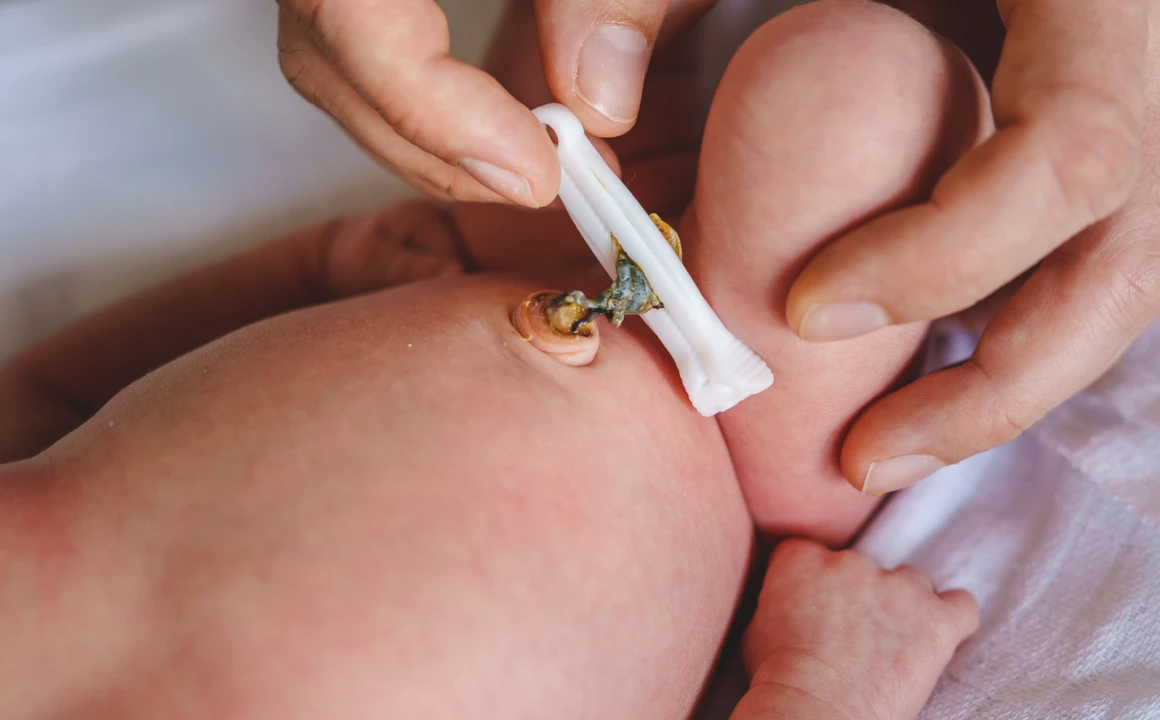
After birth, the umbilical cord is clamped and cut. A small stump remains attached to your baby’s abdomen. Over the following days, it gradually dries out, shrinks and eventually falls off.
For new parents, knowing what to expect can make this process less worrying. In this guide, you’ll learn how to clean a newborn’s umbilical cord, when it should fall off, what normal healing looks like and which warning signs require medical attention.
What Happens to the Umbilical Cord After Birth?
During pregnancy, the umbilical cord connects your baby to the placenta. It supplies oxygen and essential nutrients while carrying waste products away from your baby’s circulation.
You can learn more about this important connection in our article,The Placenta: Function and Health During Pregnancy
After delivery, a healthcare professional clamps and cuts the umbilical cord. A small section remains attached to your baby’s belly. This is known as the umbilical cord stump.
Because the stump no longer receives blood from the placenta, the remaining tissue begins to dry out naturally.
You may notice several changes during this process:
- Colour changes: The stump may initially appear yellowish or greenish before becoming brown, grey or black.
- Shrinking: It gradually becomes smaller, drier and harder.
- Natural separation: The stump eventually falls off, leaving your baby’s belly button.
Most umbilical cord stumps fall off within one to three weeks after birth. However, the timing can vary between babies.
There is no need to rush this process. Letting the stump separate naturally is the safest approach.
How to Care for Your Newborn’s Umbilical Cord
The good news is that newborn umbilical cord care does not require complicated routines or expensive products.
The World Health Organization (WHO) recommends clean, dry umbilical cord care for newborns in most healthcare settings. This means keeping the stump clean and dry without routinely applying unnecessary products.
Here are five simple steps to follow.
1. Keep the Umbilical Cord Clean and Dry
Before touching your baby’s umbilical cord, wash your hands thoroughly with soap and water.
If the stump is clean, it does not need daily washing. However, if it becomes dirty with urine, stool or other substances, gently clean it using clean water and a soft, clean cloth or cotton swab.
Pay particular attention to the skin around the base of the stump, where moisture and dirt can collect.
After cleaning, gently pat the area dry. Avoid rubbing, pulling or twisting the cord.
2. Fold the Diaper Below the Umbilical Cord
Newborn diapers can sometimes rub against the umbilical cord stump or cover it, trapping moisture.
To prevent this, fold the front of the diaper down so it sits below the stump. You can also choose newborn diapers with a cut-out section for the umbilical cord.
In addition, choose loose-fitting clothing that does not put unnecessary pressure on the area.
3. Allow the Cord to Air-Dry
Air circulation helps the remaining tissue dry naturally.
Whenever possible, avoid covering the stump with tight clothing or unnecessary dressings. Keep the area exposed to air while ensuring your baby stays comfortably warm.
4. Never Pull the Umbilical Cord Stump Off
Even when the cord looks almost detached, resist the temptation to pull it off.
The stump should fall away on its own. Removing it too early can cause bleeding, irritation or injury to the healing skin underneath.
5. Avoid Applying Unnecessary Products
For healthy newborns, routine application of alcohol, creams, oils, powders or antiseptics is generally unnecessary.
These products may irritate your baby’s delicate skin or interfere with the natural drying process.
Follow your midwife’s or healthcare professional’s advice if a specific treatment is recommended for your baby’s circumstances.
Can You Bathe Your Baby Before the Umbilical Cord Falls Off?
Yes. You can keep your baby clean while the umbilical cord is still attached.
A sponge bath or gentle wash is a practical option during this period. You do not need to avoid cleaning your baby altogether.
If the umbilical cord gets wet, gently pat it dry with a clean towel. Pay particular attention to the area around the base of the stump.
Avoid leaving moisture trapped underneath the cord. Once the stump has fallen off and the belly button has healed, you can continue with your usual bathing routine.
For more advice about adjusting to life with a newborn, read our guide, From Hospital to Home: What to Expect in the First Weeks with Your Newborn
When Does the Umbilical Cord Fall Off?
Most newborns lose their umbilical cord stump within one to three weeks after birth.
During this period, you may notice:
- The stump becoming darker and drier.
- The cord gradually shrinking.
- A small amount of dried blood around the base.
- A tiny spot of blood when the stump separates.
These changes are generally part of normal healing.
However, if the umbilical cord has not fallen off after three weeks, contact your baby’s healthcare professional for advice.
What Does a Normal Healing Belly Button Look Like?
After the umbilical cord falls off, your baby’s belly button may look slightly moist or have a small amount of dried blood.
This is usually temporary. The skin continues to heal over the following days.
Occasionally, a small piece of pink or reddish tissue remains in the centre of the belly button. This may be an umbilical granuloma.
An umbilical granuloma is a small area of healing tissue that can produce clear or yellowish fluid. Although it is usually easy to treat, it should be assessed by a healthcare professional.
Avoid trying to remove or treat the tissue yourself.
Signs of Umbilical Cord Infection: When Should Parents Be Concerned?
Although umbilical cord infections are uncommon, they can become serious in newborns. Therefore, parents should monitor the area and recognise the early warning signs.
An infection around the umbilical cord stump is medically known as omphalitis.
Contact a healthcare professional promptly if you notice any of the following:
- Redness spreading around the belly button: Redness extending onto the surrounding abdominal skin may indicate infection.
- Swelling or warmth: The skin around the stump may become swollen, inflamed or unusually warm.
- Foul-smelling discharge: A persistent unpleasant smell, especially when accompanied by discharge, should be assessed.
- Pus or unusual discharge: Yellow or cloudy discharge can indicate infection.
- Persistent bleeding: A tiny spot of blood may occur when the stump separates. However, active or ongoing bleeding requires medical attention.
You should also watch for general signs that your newborn may be unwell, including:
- Fever of 38°C or higher.
- Poor feeding or refusing feeds.
- Unusual sleepiness or difficulty waking.
- Weakness or appearing generally unwell.
Important: A newborn with a temperature of 38°C or higher needs urgent medical assessment. Do not wait to see whether the symptoms improve.
Can Umbilical Cord Blood Be Used for Medical Treatments?
The umbilical cord is important not only during pregnancy and birth. It can also be a source of valuable stem cells.
Umbilical cord blood contains haematopoietic stem cells, which can develop into different types of blood cells. These cells are used in certain medical treatments, particularly stem cell transplants for some blood disorders, immune system conditions and other serious diseases.
Cord blood collection takes place after birth and does not interfere with routine newborn umbilical cord care. However, collection and storage require specific arrangements with a qualified provider.
If you would like to understand the process, potential benefits and limitations, read our guide: Umbilical Cord Blood Stem Cells: Uses, Benefits, Collection & Storage
What Parents Should Remember About Newborn Umbilical Cord Care
Taking care of your newborn’s umbilical cord is usually straightforward. A few simple hygiene practices can help the stump dry naturally and support healthy healing.
Here are the most important things to remember:
- Wash your hands before and after handling the stump.
- Keep the umbilical cord clean and dry.
- Fold the diaper below the stump.
- Avoid applying unnecessary products.
- Never pull the stump off.
- Watch for signs of infection or unusual changes.
- Contact a healthcare professional if something does not look right.
Every newborn develops at their own pace, and the umbilical cord is no exception.
With gentle care, regular observation and appropriate medical advice when needed, the stump will usually fall off naturally as your baby’s belly button heals.
The first weeks with your newborn are all about learning, adapting and building confidence. Understanding these small but important aspects of newborn care can make the transition into parenthood a little easier.
Medical Disclaimer
This article is intended for general educational purposes and does not replace professional medical advice, diagnosis or treatment. Always consult your midwife, paediatrician or other qualified healthcare professional if you have concerns about your newborn’s umbilical cord or general health.
Medical References:
- World Health Organization (WHO) – Caring for Newborns
- American Academy of Pediatrics – Umbilical Cord Care in Newborns
- NHS – Getting to Know Your Newborn
- 1177 Sweden – Umbilical Infection in Newborns
by Erika Barabás