Newborn Bath: How to Bathe Your Baby Safely for the First Time

Cradle of Nutrition
- 8 minutes read
Giving your newborn their first bath is a special milestone for every parent. However, it can also feel a little intimidating, especially when your baby is so small and delicate. Knowing how to bathe a newborn safely can help you feel more confident and turn bath time into a relaxing bonding experience.
Newborn bathing does not need to be complicated. Babies have delicate skin and do not need a bath every day. With warm water, a few basic supplies and gentle handling, you can keep your little one clean and comfortable.
During the first weeks, parents also learn about other important aspects of newborn care, from hygiene and visitors to protecting delicate skin. Our guide to From Hospital to Home: What to Expect in the First Weeks with Your Newborn offers more practical advice for navigating this exciting new chapter.
In this article, we’ll explain when to give your newborn their first bath, how often to bathe your baby, how to prepare the bath and which safety precautions every parent should know.
When Should You Give Your Newborn Their First Bath?
You may be surprised to learn that newborns do not need a bath immediately after birth.
The World Health Organization (WHO) recommends delaying a healthy newborn’s first bath for at least 24 hours after delivery. If this is not possible, the bath should ideally be delayed for at least six hours.
There are several reasons for waiting.
First, newborns need time to adjust to life outside the womb. Bathing too early can cause their body temperature to drop because babies lose heat more easily than adults.
Second, delaying the first bath allows parents and babies to enjoy uninterrupted skin-to-skin contact. This supports bonding and helps establish breastfeeding.
Finally, babies are often born with a white, creamy substance called vernix caseosa covering their skin. This natural protective coating helps moisturise the skin and should not be scrubbed away unnecessarily.
Therefore, there is no need to rush your baby’s first bath. Enjoy those first hours together and follow the advice of your maternity care team.
How Often Should You Bathe a Newborn?
One of the most common questions new parents ask is how often their baby needs a bath.
The answer is simple: you do not need to bathe your newborn every day.
For most healthy babies, two or three baths per week are sufficient. Bathing too frequently can remove natural oils from the skin and contribute to dryness or irritation.
On the days when your baby does not have a bath, you can keep them clean by washing their face, neck, hands and nappy area with warm water. This is sometimes called topping and tailing.
Pay particular attention to areas where milk, saliva, sweat or moisture can collect, such as:
- Behind the ears.
- Around the neck folds.
- Under the arms.
- Between the fingers and toes.
- Around the nappy area.
Always dry these areas gently after washing.
What Do You Need for Your Newborn’s First Bath?
Before starting, prepare everything you need. Having your supplies within reach makes bath time easier and means you will not need to leave your baby unattended.
Here is a simple newborn bath checklist:
- A clean baby bathtub or suitable washing basin.
- Two soft, clean towels.
- A soft washcloth.
- A small bowl of warm water for washing the face.
- A clean nappy.
- Fresh baby clothes.
- A clean, soft blanket.
- A bath thermometer, if available.
You do not need lots of bathing products. In fact, plain water is generally best during your baby’s first month.
If you choose to use a cleanser, select a mild, fragrance-free product specifically designed for newborns and follow your healthcare professional’s advice.
Step-by-Step Guide: How to Bathe a Newborn
Your baby’s first bath should be gentle, calm and relatively short. Choose a time when your baby is awake and settled, rather than hungry, overtired or immediately after a feed.
Follow these steps to make newborn bathing easier.
Step 1: Prepare the Room and Bath
Make sure the bathroom or bathing area is comfortably warm and free from draughts.
Place all your supplies within easy reach before undressing your baby.
Fill the baby bathtub with a small amount of warm water. The water should feel comfortably warm, not hot. Mix it thoroughly to avoid hot spots.
A bath thermometer can help you check the temperature. Around 37°C is a commonly used target for baby bath water. Always follow your local healthcare guidance and check the water before placing your baby in it.
If you do not have a thermometer, check the water with your elbow or wrist. It should feel comfortably warm rather than hot.
Step 2: Clean Your Baby’s Face First
Before placing your baby in the bath, gently clean their face with a soft washcloth or cotton wool dipped in clean water.
Use a fresh piece of cotton wool for each eye, wiping gently from the inner corner outwards if cleaning is needed.
Clean around the mouth, nose and ears carefully.
Avoid putting cotton buds, fingers or other objects inside your baby’s ears or nose.
Step 3: Wash Your Baby’s Hair
Support your baby’s head and neck securely while gently wetting their scalp with warm water.
You can use your hand or a soft washcloth to clean the hair and scalp.
Newborns generally do not need shampoo during their first few weeks. Plain water is usually sufficient.
Gently dry the head with a soft towel before moving on to the rest of the bath.
Step 4: Gently Lower Your Baby Into the Bath
Undress your baby and remove their nappy.
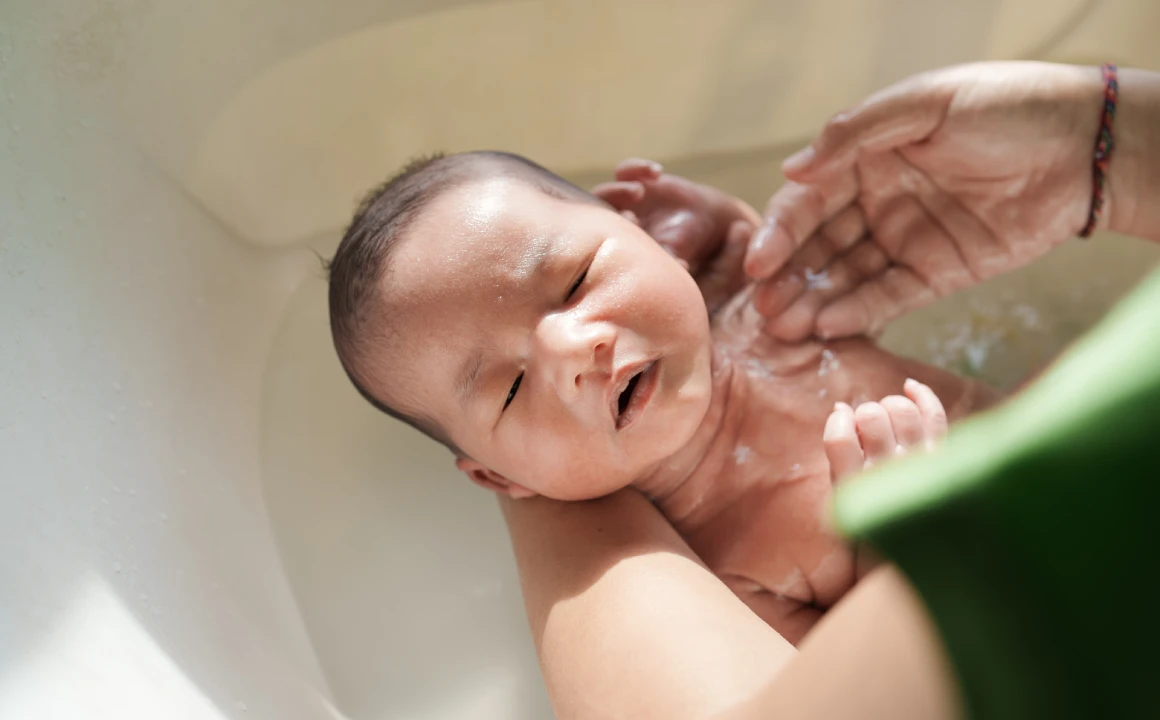
Using both hands, support their head, neck and shoulders as you lower them gently into the water.
Keep your baby’s head and face above the water at all times.
Once your baby is comfortably positioned, keep one hand supporting them securely while using the other to wash their body.
Never rely on bath seats or inflatable supports to keep your baby safe.
Step 5: Wash Your Baby’s Body
Use a soft washcloth and warm water to gently clean your baby’s body.
Pay particular attention to skin folds, including:
- The neck.
- Behind the ears.
- Under the arms.
- Around the belly button.
- Between the fingers and toes.
- The nappy area.
Clean the genital area gently and always wipe from front to back when caring for baby girls.
There is no need to scrub your baby’s skin. Gentle washing is enough.
Step 6: Lift Your Baby Out and Dry Them
When bath time is finished, lift your baby out carefully while supporting their head and neck.
Place them immediately on a soft, dry towel.
Gently pat the skin dry instead of rubbing it. Make sure you dry between the fingers, toes, neck folds and other areas where moisture can collect.
Wrap your baby in a warm towel and dress them in clean clothes and a fresh nappy.
Newborns can lose body heat quickly, so drying and dressing them promptly is important.
Can You Bathe Your Baby Before the Umbilical Cord Falls Off?
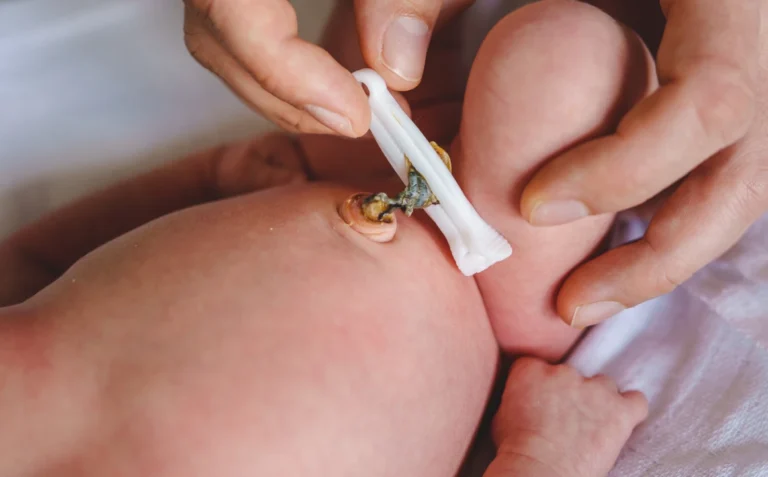
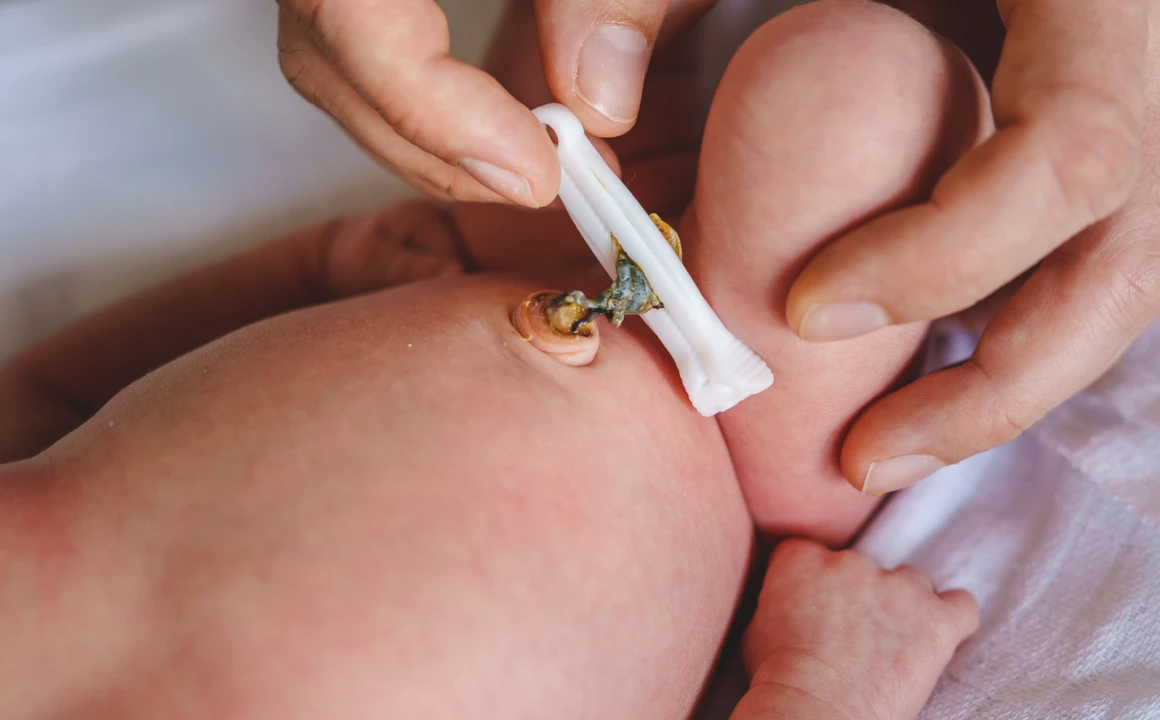
Yes, you can keep your baby clean while the umbilical cord stump is still attached.
However, a sponge bath is a simple option during this period. It allows you to clean your baby without immersing the umbilical cord stump in water.
If you choose to wash your baby this way, use a soft washcloth and warm water. Clean the face, neck, hands, body and nappy area gently.
If the umbilical cord becomes wet or dirty, clean it as needed and gently pat it dry.
Most importantly, keep the stump clean and dry and allow it to fall off naturally.
For more detailed instructions, read our guide: Newborn Umbilical Cord Care: How to Keep Your Baby’s Belly Button Clean and Healthy.
Newborn Bath Safety: Important Tips Every Parent Should Know
Bath time can be a lovely experience, but water safety must always come first.
Newborns cannot support themselves in water, and drowning can happen very quickly, even in shallow water.
Keep these important safety rules in mind:
Never leave your baby alone in the bath.
Always check the water temperature.
Test the water before placing your baby in the bath. It should feel comfortably warm, never hot.
Keep your baby’s head above water.
Support the head and neck throughout the bath and make sure the face remains clear of the water.
Prepare everything beforehand.
Have towels, nappies, clothes and other supplies ready before you begin.
Avoid bathing your baby immediately after feeding.
Choose a time when your baby is comfortable and settled. Waiting a little after feeding may help reduce discomfort or spit-up.
Never rely on bath seats or rings.
These products do not replace adult supervision and should not be considered safety devices.
What If Your Baby Cries During Bath Time?
Not every newborn enjoys their first bath.
Some babies feel unsettled when they are undressed, exposed to cooler air or placed in unfamiliar water. This is completely normal.
If your baby cries, try the following:
- Make sure the room is comfortably warm.
- Check that the water is not too hot or too cold.
- Keep bath time short.
- Support your baby’s head and body securely.
- Talk gently or sing to your baby.
- Wrap them in a towel between washing different parts of the body.
You can also try sponge baths for a while before introducing a regular baby bath.
Over time, your baby may become more comfortable with the sensation of warm water.
There is no need to force bath time. Your baby’s comfort and safety should always come first.
Should You Use Baby Soap, Shampoo or Lotion?
Newborn skin is delicate and has a developing protective barrier. Therefore, it is important to avoid unnecessary products.
During the first month, plain water is generally a good choice for bathing.
If you decide to use skincare products, consider the following:
- Baby wash: Choose a mild, fragrance-free cleanser suitable for newborn skin.
- Shampoo: Newborns usually need very little, and plain water is often sufficient.
- Baby lotion: Routine moisturising is not necessary for every baby. Ask your healthcare professional if your baby has persistent dry or irritated skin.
- Baby powder: Avoid using talcum or loose powders, as babies can accidentally inhale the particles.
- Essential oils: Avoid adding essential oils or scented products to your baby’s bath.
Always check product labels and stop using anything that causes redness, irritation or an allergic reaction.
How to Protect Your Newborn’s Skin Outside Bath Time
Bathing is only one part of caring for your baby’s delicate skin. Protection from environmental factors is equally important, particularly when spending time outdoors.
Newborns have sensitive skin and should be kept out of direct sunlight. Shade, suitable clothing and other sun-protection measures are especially important during the first months.
For more practical advice, read our article: Sun Safety for Newborns: How to Protect Your Baby from the Sun.
How to Make Bath Time a Bonding Experience
Bath time is not only about keeping your baby clean. It can also become a lovely opportunity to connect with your newborn.
Your baby is gradually becoming familiar with your voice, touch and scent. Gentle interaction during bathing can help create a sense of comfort and security.
Here are a few simple ways to make bath time enjoyable:
- Talk softly to your baby.
- Make eye contact whenever possible.
- Gently hold and support their hands and feet.
- Keep movements slow and reassuring.
- Follow your baby’s reactions and comfort level.
You do not need toys, complicated routines or special products. Your presence and gentle attention are what matter most.
As you become more familiar with your baby’s needs, bath time may become a relaxing part of your family’s routine.
Enjoy Your Baby’s First Bath
Your newborn’s first bath is an exciting milestone, but remember that there is no need to hurry or make it complicated.
With a warm room, clean water, gentle handling and proper supervision, you can make bathing a safe and enjoyable experience.
Start slowly, pay attention to your baby’s reactions and remember that two or three baths per week are usually enough.
Most importantly, enjoy these little moments. Your baby is growing and changing every day, and even the simplest routines can become treasured memories of your first weeks together.
Medical References
- World Health Organization (WHO): Caring for a Newborn
- NHS: Bathing Your Baby
- American Academy of Pediatrics (AAP): Bathing Your Newborn
- National Library of Medicine: Routine Newborn Care
by Erika Barabás