What to Expect During Your Baby’s First Doctor Visit

Cradle of Nutrition
- 9 minutes read
Your first few days with a newborn are filled with tiny discoveries and plenty of questions. You are getting to know your baby’s feeding habits, learning to recognize different cries, and adjusting to a completely new daily routine. In the middle of all these changes, one important milestone is your baby’s first doctor visit.
The first newborn checkup is more than just a routine weight measurement. It is an opportunity to make sure your baby is adjusting well after birth, discuss feeding and sleeping patterns, check early growth and development, and address any concerns you may have as a new parent.
If you are wondering what happens during the appointment, what you should bring, or which questions are worth asking, a little preparation can make all the difference. In this guide, we will walk you through your baby’s first doctor visit, from the initial health examination to follow-up appointments, so you know what to expect and can make the most of this important visit.
Preparation for the Visit
A little preparation can make your baby’s first doctor visit smoother and less stressful. Since newborns have frequent feeding and sleeping needs, it is helpful to organize everything before leaving home.
What Documents Should You Bring?
Before your appointment, check whether the doctor’s office requires any specific paperwork. In general, consider bringing:
- Hospital discharge papers: These usually contain important information about your baby’s birth, birth weight, medical checks, and any complications.
- Birth information: Your baby’s date and time of birth, gestational age, and delivery details.
- Screening results: Information about newborn hearing tests, blood spot screening, and other examinations performed after birth.
- Medical records: Any relevant pregnancy, birth, or newborn medical information.
- Insurance or registration documents: Depending on your country’s healthcare system, you may need your baby’s health insurance information or registration details.
- Vaccination records: Bring any documentation of vaccines or preventive treatments your baby has already received.
If you are unsure which documents are necessary, contact the pediatrician’s office before your visit.
For additional information, read the American Academy of Pediatrics’ guide to the newborn’s first checkup.
Make a List of Questions
It is completely normal to have dozens of questions during the first few weeks of parenthood. However, it can be easy to forget them once you arrive at the appointment.
Write down your concerns beforehand. You might want to ask about feeding schedules, sleep patterns, diaper changes, skin conditions, or your baby’s weight gain.
Also, keep track of anything unusual you have noticed, such as frequent spit-up, difficulty latching, excessive crying, or changes in your baby’s sleeping habits.
Pack a Baby Appointment Bag
Newborns need a few essentials, even for a short trip. Consider packing:
- Extra diapers and baby wipes.
- A change of clothes.
- A burp cloth or muslin blanket.
- A spare blanket, depending on the weather.
- Bottles and formula or expressed breast milk, if applicable.
- A pacifier, if your baby uses one.
- A feeding log or notes about your baby’s daily routine.
Helpful tip: Try to schedule the appointment around your baby’s usual feeding time when possible. A recently fed baby may be more comfortable during the examination. However, never delay a medically recommended appointment just to fit a feeding schedule.
What to Expect During the Appointment
Your baby’s first checkup usually takes place within the first few days after leaving the hospital. In many healthcare systems, newborns are seen around three to five days after birth, although the exact timing depends on the baby’s health, hospital discharge date, and local recommendations.
The appointment commonly lasts around 20–45 minutes, but it may take longer if you have additional questions or your baby needs further assessment.
The main purpose is to make sure your newborn is healthy, feeding adequately, gaining weight appropriately, and adjusting well to life outside the womb.
Weight, Length, and Head Circumference Measurements
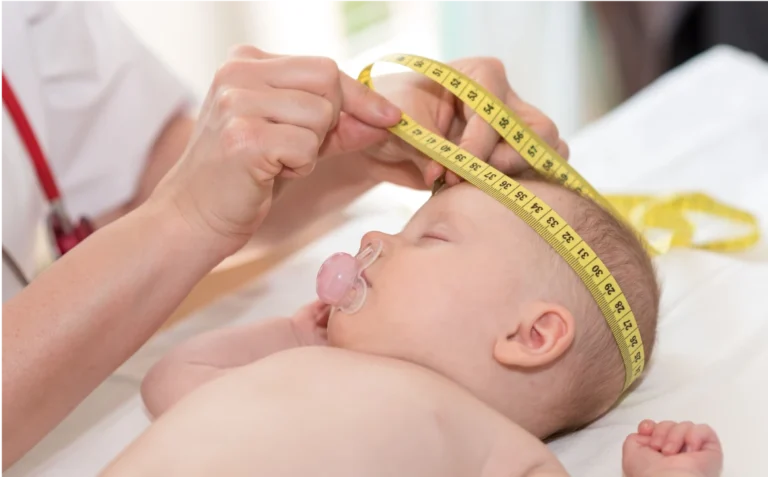
One of the first things the healthcare professional will do is measure your baby’s growth.
Your newborn’s:
- Weight will be checked to monitor weight loss or gain after birth.
- Length will be measured to assess physical growth.
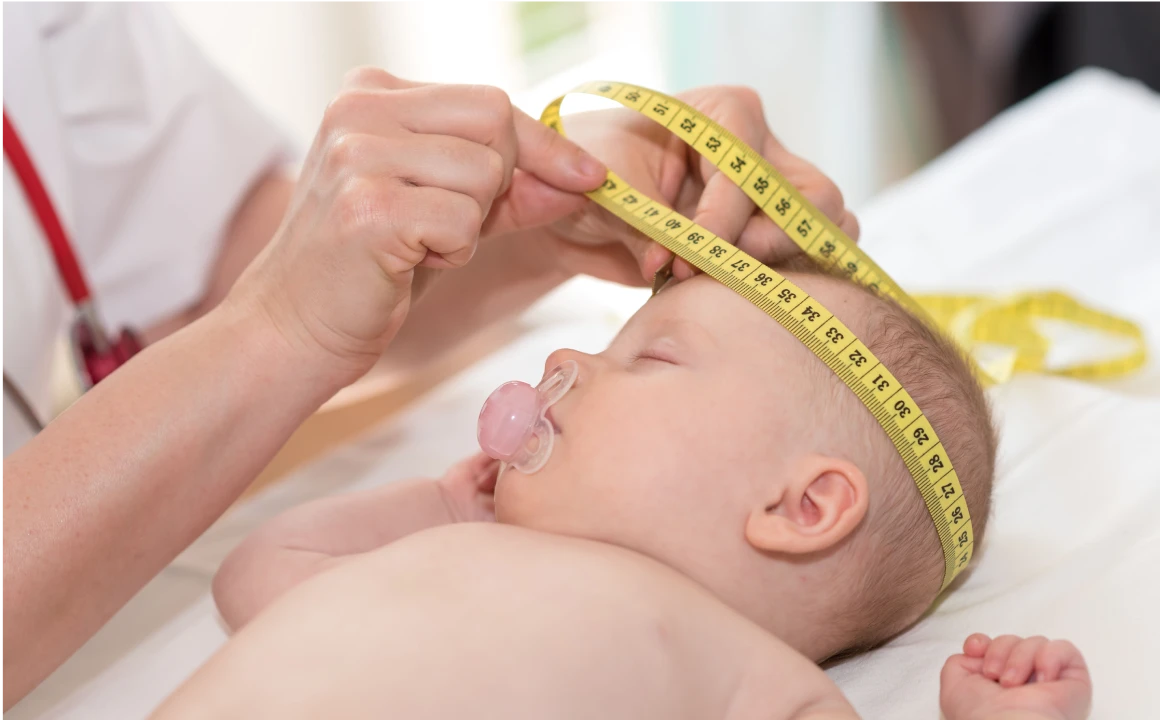
- Head circumference will be measured to monitor head and brain growth.
It is normal for newborns to lose some weight during the first few days after birth. Your doctor will compare the measurements with your baby’s birth weight and previous records to determine whether growth is progressing as expected.
Rather than focusing on a single measurement, healthcare professionals look at growth patterns over time.
A Head-to-Toe Physical Examination
Your doctor will perform a general physical examination to check your baby’s overall health.
This may include:
- Head and soft spots: Checking the shape of the head and the fontanelles (soft spots).
- Eyes: Looking for unusual discharge, swelling, or signs of possible vision concerns.
- Ears, nose, and mouth: Checking for visible abnormalities and signs of infection.
- Heart and lungs: Listening to your baby’s heartbeat and breathing with a stethoscope.
- Abdomen: Checking the belly and feeling for any unusual swelling or tenderness.
- Hips and legs: Gently moving the legs to assess hip movement and identify possible developmental concerns.
- Skin: Looking for rashes, birthmarks, dryness, and signs of jaundice.
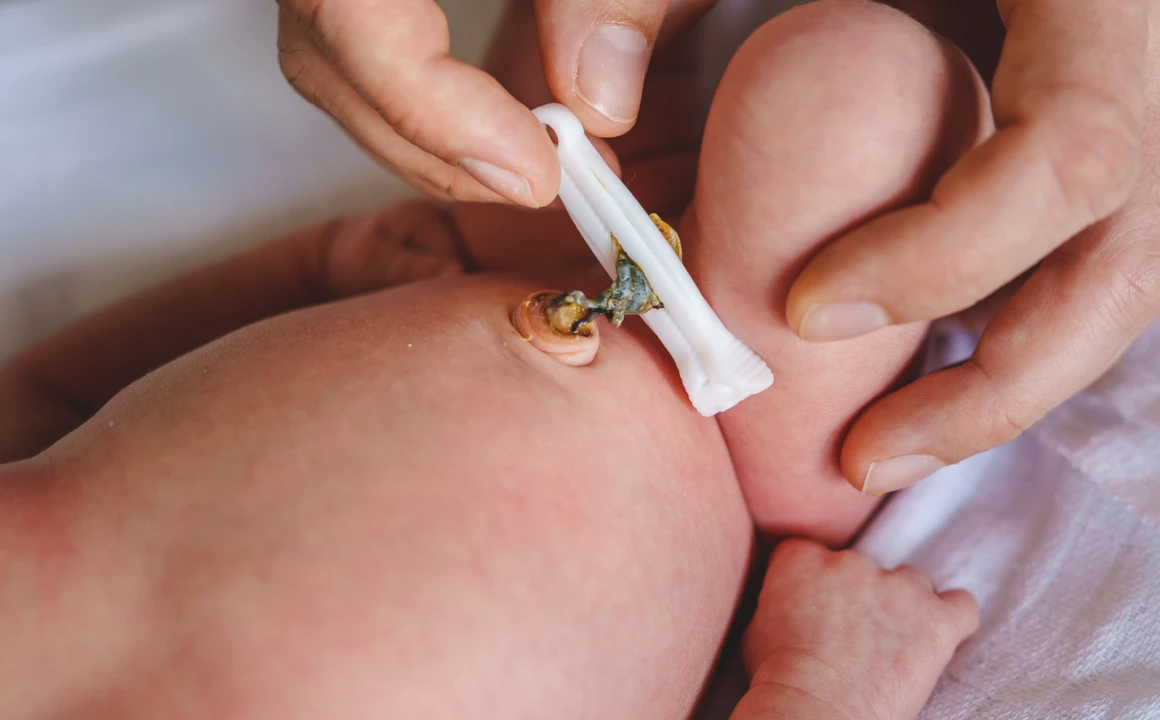
- Umbilical cord: Checking whether the area is healing properly and showing signs of infection.
- Genitals: Checking for any visible abnormalities or concerns.
These examinations help identify potential health issues early and provide reassurance that your baby is developing normally.
For more details about newborn examinations, visit the NHS guide to newborn physical examinations.
Checking for Jaundice
Jaundice is relatively common in newborns. It causes a yellowish appearance of the skin and the whites of the eyes due to elevated bilirubin levels.
During the first appointment, your doctor will check for signs of jaundice and may recommend a bilirubin test if necessary.
Most newborn jaundice is temporary, but some cases require treatment or closer monitoring. Therefore, it is important to attend scheduled newborn checkups and follow your healthcare professional’s advice.
Reviewing Newborn Screening Results
Your doctor may also review the results of screening tests performed shortly after birth.
Depending on your country and healthcare system, these may include:
- Newborn blood spot screening.
- Hearing screening.
- Screening for certain heart conditions.
- Other examinations recommended for newborns.
If a screening result needs repeating or further investigation, your doctor will explain the next steps.
Discussing Feeding and Nutrition
Feeding is one of the most important topics during your baby’s first checkup.
Your doctor will ask how often your baby feeds, how long feeding sessions last, and whether you have noticed any difficulties.
If you are breastfeeding, you can discuss:
- Whether your baby appears to latch and feed effectively.
- How to recognize signs of adequate milk intake.
- How often newborns typically need to breastfeed.
- Breastfeeding discomfort, nipple pain, or engorgement.
- Whether additional breastfeeding support would be helpful.
If you are formula-feeding or combining breastfeeding and formula, ask about appropriate quantities, preparation, feeding frequency, and safe storage.
You can also discuss vitamin D supplementation and any other nutritional recommendations appropriate for your baby’s age and local guidelines.
If you are breastfeeding, our guides on breastfeeding and mastitis provide additional information about common breastfeeding experiences and challenges.
Questions to Ask Your Pediatrician
Your baby’s first doctor visit is not only about physical examinations. It is also an opportunity to build a relationship with your healthcare provider and understand how to support your newborn’s health.
Here are some useful questions to consider.
Questions About Growth and Development
Every baby develops at their own pace. Still, regular checkups help healthcare professionals monitor important developmental changes.
Consider asking:
- Is my baby’s weight gain within the expected range?
- How often should my baby’s weight and length be measured?
- What developmental milestones should I expect during the first few months?
- How can I recognize whether my baby is developing normally?
- Are there any signs of developmental delays I should look out for?
- When should I start tracking developmental milestones?
Your doctor can explain what is typical for your baby’s age and when additional assessment might be needed.
You can also explore the CDC’s guide to infant developmental milestones to learn more about your baby’s development.
Questions About Feeding and Nutrition
Whether you breastfeed, formula-feed, or use a combination of both, it is important to understand your baby’s nutritional needs.
Ask your pediatrician:
- How often should I feed my newborn?
- How can I tell if my baby is getting enough milk?
- How many wet and dirty diapers should I expect each day?
- Is my baby gaining enough weight?
- Should my baby receive vitamin D supplements?
- What should I do if my baby spits up frequently?
- When should I seek help with breastfeeding difficulties?
If you are experiencing breastfeeding challenges, ask whether a lactation consultant or breastfeeding specialist is available.
Questions About Vaccinations
Vaccinations protect babies against several serious infectious diseases. Your doctor can explain which vaccines your baby needs and when they should be administered.
Useful questions include:
- Which vaccinations are recommended during the first year?
- When is my baby’s first vaccination appointment?
- Are there any vaccines or preventive treatments already given at birth?
- What side effects are common after vaccination?
- What should I do if my baby develops a fever after a vaccine?
- Are there additional vaccines recommended for certain health conditions or circumstances?
Vaccination schedules vary between countries, so always follow your local immunization program.
For more information, consult the World Health Organization’s vaccination information.
Questions About Sleep and Daily Care
Newborn sleep patterns can be unpredictable, especially during the first weeks.
You may want to ask:
- How many hours should my newborn sleep?
- Is it normal for my baby to wake frequently during the night?
- What is the safest sleeping position?
- How should I care for my baby’s umbilical cord?
- How often should I bathe my newborn?
- How should I dress my baby for different temperatures?
- How can I soothe my baby when they cry?
Your doctor can also provide advice about safe sleep, bathing, skin care, and everyday newborn care.
Follow-Up and Next Steps
After your baby’s first doctor visit, you will have a clearer understanding of their health, growth, and immediate needs.
However, newborn care does not end with one appointment. Regular checkups are essential because babies grow and change rapidly during their first year.
Schedule the Next Appointment
Before leaving the clinic, make sure you understand when your baby should return.
The next appointment will depend on your baby’s age, health, growth, and local healthcare recommendations.
In many healthcare systems, newborns have additional checkups during the first weeks and months, followed by regular well-baby visits throughout the first year.
These appointments help monitor weight gain, feeding, physical development, and vaccination needs.
Keep Track of Your Baby’s Growth
Keeping a simple record of your baby’s development can help you recognize patterns and share useful information with your healthcare provider.
Consider tracking:
- Weight and length measurements.
- Feeding frequency and duration.
- Wet and dirty diapers.
- Sleep patterns.
- New movements and behaviors.
- Vaccinations and medical appointments.
- Any symptoms or concerns.
You can use a baby development journal, a tracking app, or a simple notebook.
Remember that developmental milestones are general guidelines, not strict deadlines. Babies develop at different rates, and your healthcare provider can help you understand what is appropriate for your child’s age.
Monitor Developmental Milestones
During the first year, your baby will experience many exciting developmental changes.
You may gradually notice improvements in:
- Eye contact and visual attention.
- Responding to sounds and familiar voices.
- Smiling and social interaction.
- Head and neck control.
- Reaching for and holding objects.
- Rolling, sitting, crawling, and other movements.
If you notice something that concerns you, discuss it with your pediatrician rather than waiting for the next scheduled appointment.
For a more detailed overview of what to expect, read our article about your baby’s first year of development.
Know When to Contact Your Doctor
Although many newborn changes are completely normal, some symptoms require prompt medical attention.
Contact a healthcare professional immediately if your newborn:
- Has a temperature of 38°C (100.4°F) or higher, particularly during the first three months.
- Has difficulty breathing or unusual pauses in breathing.
- Is unusually sleepy, difficult to wake, or less responsive than normal.
- Refuses feeds or has a noticeable decrease in feeding.
- Has significantly fewer wet diapers than expected.
- Develops worsening jaundice or appears increasingly yellow.
For severe breathing difficulties, unresponsiveness, or other life-threatening symptoms, seek emergency medical care immediately.
When in doubt, it is always better to contact your healthcare provider and ask for advice.
Making Your Baby’s First Doctor Visit a Positive Experience
Your baby’s first doctor visit is an important milestone for your entire family. It gives you the opportunity to make sure your newborn is healthy while learning more about their needs and development.
Remember that you do not need to know everything right away. Becoming a parent is a learning process, and it is completely normal to have questions, concerns, and moments of uncertainty.
Prepare your documents, write down your questions, and do not hesitate to discuss anything that worries you. Your pediatrician is there to support both your baby’s health and your confidence as a parent.
With regular checkups, good communication, and a little preparation, you can approach each new stage of your baby’s development with greater confidence.
Enjoy these first precious moments with your little one. Every appointment is another opportunity to learn, grow, and make sure your baby gets the best possible start in life.
Medical disclaimer: This article is intended for general informational purposes only and should not replace professional medical advice, diagnosis, or treatment. Always consult your healthcare provider about your baby’s individual health needs.
by Erika Barabás