
Blood Clots in Pregnancy (DVT): Symptoms, Risks, Treatment & Prevention Guide
Cradle of Nutrition
- 3 minutes read
Pregnancy is a transformative stage in a woman’s life, but it also brings important physiological changes that can increase the risk of blood clots. One of the most significant conditions to be aware of is thrombosis in pregnancy, also known as deep vein thrombosis (DVT) when it occurs in the legs.
Although it can be serious, blood clots in pregnancy are preventable and treatable, especially when detected early.
This guide explains everything you need to know about symptoms, causes, risks, treatment, and prevention.
What Is Thrombosis in Pregnancy?
Thrombosis is the formation of a blood clot inside a blood vessel, which can restrict or block blood flow.
During pregnancy, the body naturally increases its clotting ability to reduce blood loss during childbirth. However, this protective mechanism can sometimes increase the risk of dangerous clots.
The two main types of pregnancy-related thrombosis are:
- Deep Vein Thrombosis (DVT): A clot usually formed in the legs or pelvis
- Pulmonary Embolism (PE): A life-threatening condition where a clot travels to the lungs
👉 Pulmonary embolism is a medical emergency and requires immediate treatment.
Why Blood Clots Are More Common During Pregnancy
Pregnancy increases clotting risk due to several natural body changes:
- Increased levels of clotting hormones
- Reduced blood flow in the legs due to pressure from the growing uterus
- Slower circulation during later stages of pregnancy
- Reduced mobility or prolonged rest
⚠️ The risk remains elevated after delivery, especially in the first 6 weeks postpartum.
Risk Factors for Blood Clots in Pregnancy
Some women have a higher risk of developing thrombosis, including those with:
- Previous history of blood clots
- Family history of clotting disorders
- Obesity or high BMI
- Smoking during pregnancy
- Cesarean (C-section) delivery
- Prolonged immobility (bed rest or long travel)
- Multiple pregnancy (twins or triplets)
- Medical conditions such as diabetes
Symptoms of Blood Clots You Should Never Ignore
Early detection is critical. Symptoms may vary depending on the location of the clot.
Deep Vein Thrombosis (DVT) Symptoms
- Swelling in one leg (rarely both)
- Pain or tenderness in the calf or thigh
- Warmth in the affected area
- Red or discolored skin
Pulmonary Embolism (Emergency Symptoms)
- Sudden shortness of breath
- Chest pain (especially when breathing deeply)
- Rapid heartbeat
- Coughing up blood
🚨 If any of these symptoms occur, seek emergency medical help immediately.
How Thrombosis Can Affect Pregnancy
Most women with proper medical care go on to have healthy pregnancies. However, thrombosis may require:
- Regular medical monitoring
- Blood-thinning injections (anticoagulants)
- Reduced physical activity in some cases
- Emotional support due to anxiety or stress
With early diagnosis, complications can usually be prevented.
Treatment for Blood Clots During Pregnancy
The most common and safe treatment is:
Low Molecular Weight Heparin (LMWH)
- Administered as injections
- Does not cross the placenta
- Considered safe for both mother and baby
Other management may include:
- Ultrasound monitoring of clot progression
- Blood tests for clotting levels
- Continued treatment into postpartum period if needed
How to Prevent Blood Clots in Pregnancy
Prevention is a key part of prenatal care. You can reduce risk by:
- Staying physically active (walking or approved exercise)
- Avoiding long periods of sitting or lying still
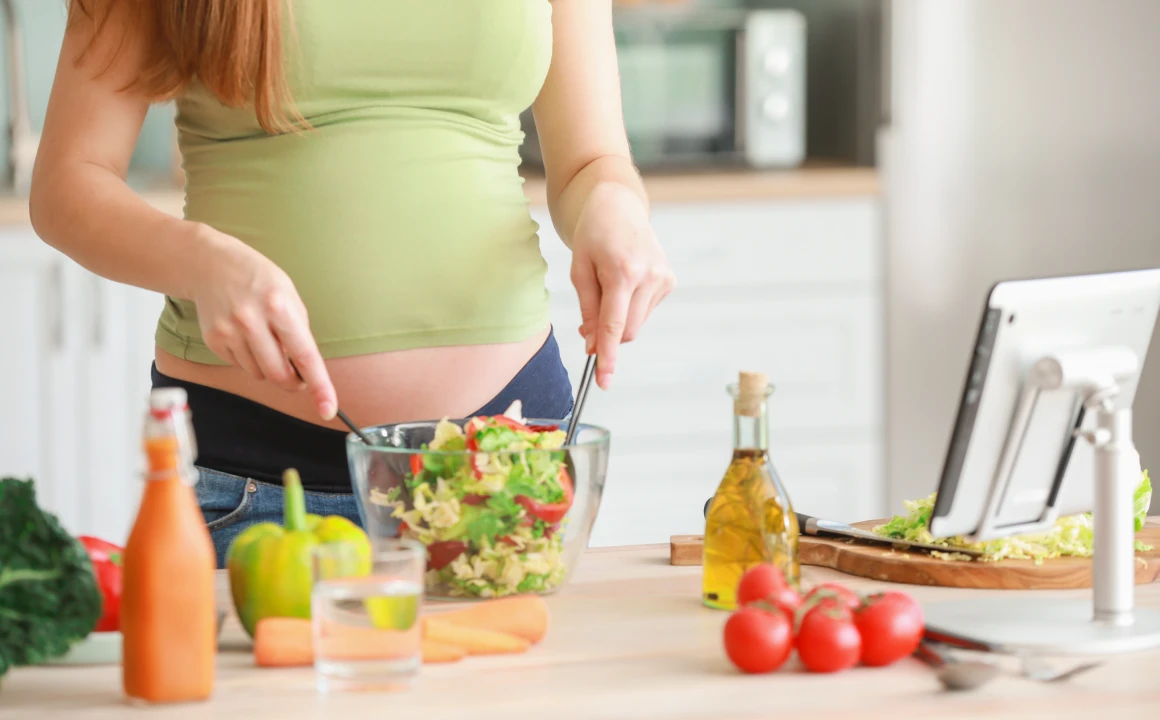
- Drinking enough water to stay hydrated
- Maintaining a healthy pregnancy weight
- Wearing compression stockings if recommended
- Following all prenatal medical advice
What to Avoid During Pregnancy
To reduce risk, avoid:
- Smoking and nicotine exposure
- Prolonged immobility (especially during travel)
- Dehydration
- Missing prescribed medication
- Tight clothing that restricts circulation
When to Seek Emergency Medical Help
Seek immediate medical attention if you experience:
- Sudden shortness of breath
- Chest pain or pressure
- Coughing blood
- Severe swelling or pain in one leg
- Rapid or irregular heartbeat
Frequently Asked Questions (FAQ)
Is thrombosis common in pregnancy?
It is relatively uncommon but risk increases during pregnancy and especially after delivery.
Can blood clots harm the baby?
Indirectly, yes. Severe maternal complications can affect oxygen and circulation, so early treatment is important.
When is the risk highest?
Risk is highest during late pregnancy and the first 6 weeks postpartum.
Can I travel during pregnancy if I’m at risk?
Yes, but you may need preventive measures such as movement breaks or compression stockings.
Final Takeaway
Blood clots in pregnancy are serious but highly manageable when detected early. Understanding the symptoms, risk factors, and prevention strategies can significantly reduce complications for both mother and baby.
Early awareness and regular prenatal care are the most effective protection.
References:
American College of Obstetricians and Gynecologists
by Erika Barabás