Shaping Children’s Internal Programs — Stronger Together

Cradle of Nutrition
- 4 minutes read
Understanding Internal Programs in Children
From the first years of life, children’s brains are constantly learning. Everyday routines and repeated experiences create internal programs, which are automatic patterns of behavior and emotional responses. These learned routines guide how children respond to daily situations, manage their emotions, and develop lasting behavior patterns.
For parents, understanding internal programs is key to changing child habits and supporting emotional regulation. When parents and children work together — stronger together — routines can become powerful tools for building positive habits, independence, and confidence.
In this article, you will learn:
- What internal programs are in children
- How internal programs shape children’s behavior
- Signs a child’s internal programs may need adjustment
- Practical strategies for guiding positive change
- A parent checklist to apply at home
What Are Internal Programs in Children?
Internal programs are automatic behaviors and emotional responses children develop through repeated routines. In other words, they are the brain’s “mental shortcuts” that make daily life predictable and manageable.
For example, internal programs help children respond more easily in familiar situations. They also give children a sense of safety and stability. In addition, these programs free up mental energy, allowing children to focus on learning new skills and exploring the world.
Importantly, children learn internal programs not only by following instructions but also by observing adults. Therefore, the way parents organize routines — from mornings to mealtimes — directly shapes habit formation in children.
How Internal Programs Shape Children’s Behavior
Internal programs influence children’s behavior patterns in many ways. For instance, routines teach children what to expect, which reduces anxiety and helps them cooperate. In addition, predictable sequences support early emotional regulation, allowing children to manage frustration and stress more effectively.
1. Repetition Builds Internal Programs
Repeated experiences strengthen the brain’s neural pathways. In fact, the more a behavior is practiced, the more it becomes an internal program. (Springer)
2. Safety Reinforces Habits
Children internalize routines faster when they feel secure. For example, a calm, predictable morning routine helps children approach tasks with confidence and reduces conflict.
3. Internal Programs Save Mental Energy
Once a behavior becomes automatic, children don’t need to think about it consciously. As a result, they can focus on learning new skills, exploring, and problem-solving. (Haghighati, 2023)
When Internal Programs May Need Adjustment
Sometimes, internal programs create challenges. For instance, a child may:
- Struggle or have meltdowns in the same situations repeatedly
- Show strong emotional reactions out of proportion
- Resist changes in routines
- Have rigid expectations about how tasks must be done
However, these behaviors are usually learned internal programs, not defiance. Recognizing this helps parents respond calmly and supportively.
Practical Tips for Changing Child Habits Through Internal Programs
1. Observe Before Changing
First, notice when and why a behavior occurs. Understanding triggers makes guiding change easier.
For example, a child crying when putting on shoes may be reacting to discomfort, rushing, or confusion — not stubbornness.
2. Introduce Small, Predictable Changes
Gradual changes are more effective. In addition, keep familiar elements the same.
Tip: Introduce “socks first, then shoes” slowly, without changing other parts of the routine.
3. Model Desired Behaviors
Children internalize habits by watching adults. Therefore, demonstrate calm, step-by-step routines.
Tip: “I put on my socks first, then my shoes. Watch me!”
4. Use Visual Supports
Visual schedules and charts make internal programs easier to follow. For example, “first–then” boards or picture sequences help children understand steps. (Haghighati, 2023)
5. Keep Routines Consistent Across Settings
Consistency strengthens internal programs. For instance, coordinate routines at home, preschool, and childcare whenever possible.
6. Support Emotional Regulation
Automatic responses include emotional responses. As a result, encourage children to name their feelings and practice coping skills. (OUP, 2023)
7. Celebrate Progress
Positive reinforcement strengthens internal programs. Also, celebrate small successes, not just big achievements.
Tip: “You remembered to put on your socks first — great job!”
8. Expect Setbacks
Shaping behavior patterns takes time. However, small mistakes are normal and part of learning.
9. Stronger Together
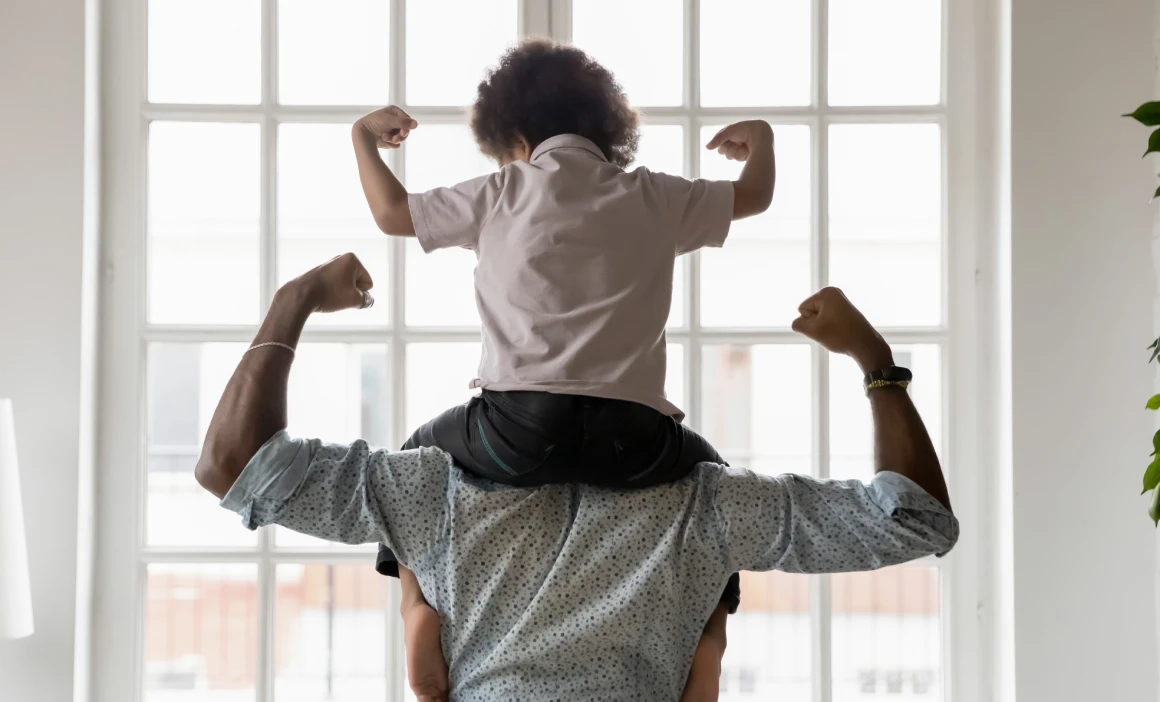
Remember: parents and children are stronger together. Work as a team, include your child in routines, and celebrate wins collaboratively.
Parent Checklist: Shaping Internal Programs Stronger Together
The following checklist will help you guide your child’s automatic habits and behavior patterns in a calm and consistent way. Use it as a step-by-step guide to make routines predictable, supportive, and collaborative.
✔ Observe Patterns Carefully. Start by tracking your child’s behaviors and noticing what triggers specific reactions. This will help you understand which routines may need small adjustments.
✔ Keep Routines Predictable. Use visual schedules, charts, or “first–then” steps to make daily routines clear. Consistency across home and preschool strengthens habits.
✔ Model the Way. Demonstrate calm, step-by-step actions for each routine. Children learn best when they see adults handling tasks in a positive and predictable way.
✔ Support Emotions. Encourage your child to name their feelings and use simple coping strategies, like deep breaths or short pauses, when they feel frustrated. Emotional guidance strengthens habit formation.
✔ Make Gradual Changes. Adjust routines one step at a time rather than changing everything at once. Praise progress frequently to reinforce positive behavior.
✔ Stay Consistent. Align expectations and routines across caregivers, school, and home. Consistency helps your child feel safe and confident.
✔ Celebrate Wins Together. Recognize effort and small achievements, not just the end result. This encourages cooperation and reinforces learning.
✔ Stronger Together. Work as a team with your child by including them in routines, celebrating successes, and approaching habit-building as a shared activity. Together, you can shape positive routines that last.
By following these steps, you and your child can work stronger together to guide habits, develop positive behavior patterns, and create a calm, supportive daily routine.
Read more about How Everyday Habits Change Children’s Behavior
by Erika Barabás
References
The Role Parents Play in Shaping Children’s Emotion Regulation