Endometriosis and Pregnancy: Can You Get Pregnant and What to Expect
Cradle of Nutrition
- 3 minutes read
Endometriosis and pregnancy is one of the most common topics for women planning a family or managing endometriosis. Many ask:
Can you get pregnant with endometriosis?
Yes. Many women with endometriosis do get pregnant, either naturally or with medical support. However, endometriosis can affect how easy or difficult it is to get pregnant, rather than the pregnancy itself.
This article explains how endometriosis affects getting pregnant, what to expect before conception, during pregnancy, and after childbirth, and which steps can support fertility and healthy outcomes.
What Is Endometriosis?
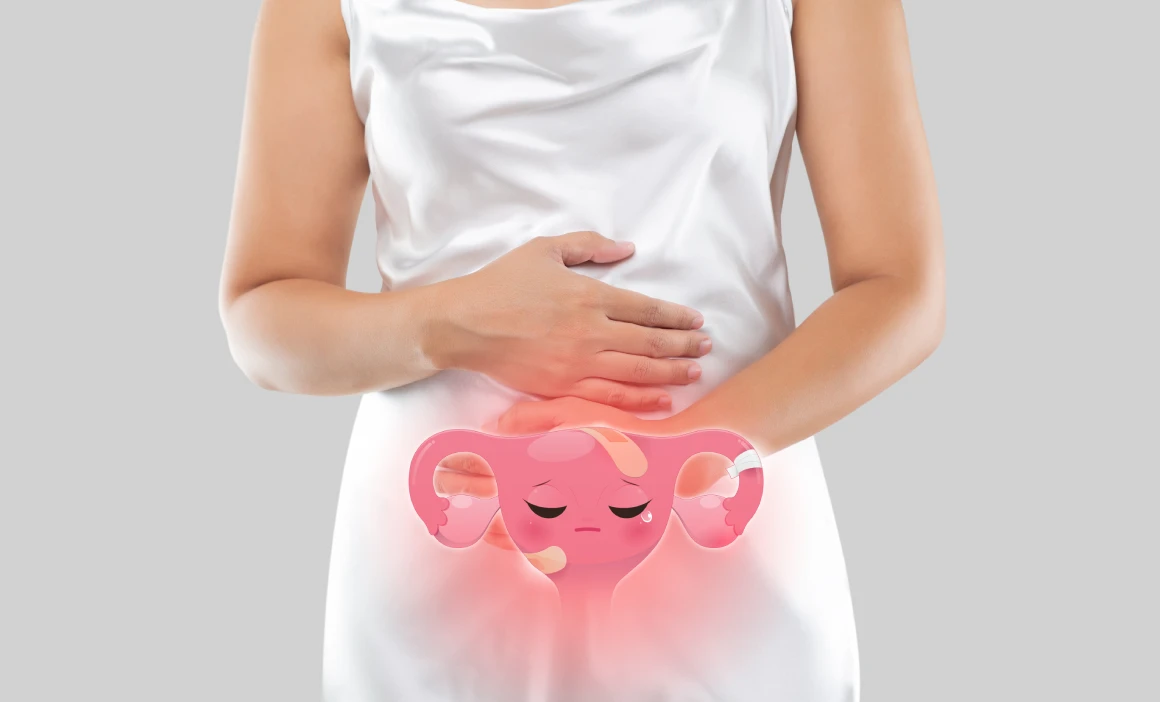
Endometriosis is a chronic inflammatory condition where tissue similar to the uterine lining (endometrium) grows outside the uterus. These growths are most commonly found on:
- ovaries
- fallopian tubes
- pelvic lining
- uterine ligaments
Because this tissue reacts to hormones, it can cause:
- pelvic pain
- painful or heavy periods
- inflammation
- scar tissue (adhesions)
- fertility challenges
Endometriosis affects approximately 1 in 10 women of reproductive age and is a recognized cause of reduced fertility.
How Does Endometriosis Affect Getting Pregnant?
Endometriosis does not always prevent pregnancy, but it can make getting pregnant more challenging.
Medical research shows that endometriosis may:
- increase pelvic inflammation
- cause adhesions that distort reproductive anatomy
- block fallopian tubes or interfere with ovulation due to hormonal imbalance
- reduce implantation rates in some cases
Many women with endometriosis also experience hormonal imbalance, which can affect ovulation and cycle regularity.
Can You Get Pregnant With Endometriosis?
Yes. Pregnancy with endometriosis is possible, but the path to conception may vary.
- Mild endometriosis: fertility often remains near normal
- Moderate endometriosis: fertility may be reduced
- Severe endometriosis: assisted reproductive technologies (ART) like IVF may improve chances
Endometriosis affects the process of getting pregnant, not the pregnancy itself.
Why Preconception Health Matters
Focusing on preconception health is crucial for women with endometriosis.
Optimizing health before trying to conceive can:
- support hormone regulation
- reduce inflammation
- improve fertility
- lower the risk of complications during pregnancy
Preconception care includes nutrition, lifestyle habits, stress management, and early management of chronic conditions.
Steps to Support Fertility With Endometriosis
1️⃣ Optimize Health Before Conception
- adopt an anti-inflammatory diet
- manage stress and prioritize sleep
- maintain a healthy weight
- correct nutrient deficiencies
2️⃣ Track Ovulation and Fertility
Monitoring your menstrual cycle helps identify fertile windows, increasing the likelihood of conception.
3️⃣ Address Hormonal Imbalance
Hormonal imbalance is common in endometriosis and may interfere with ovulation and implantation.
4️⃣ Stay Physically Active During Pregnancy
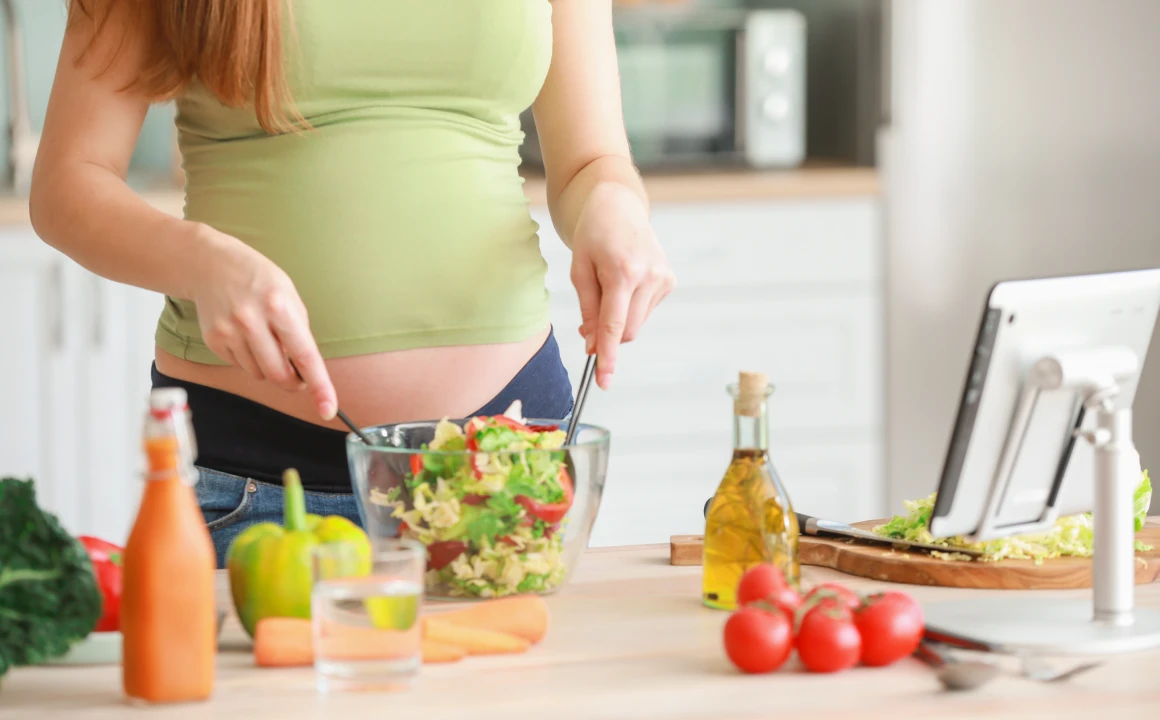
Staying active during pregnancy, when approved by your doctor, supports circulation, reduces stress, and promotes healthy pregnancy outcomes.
👉 Staying active during pregnancy
5️⃣ Seek Fertility Support Early
If conception does not occur after 6–12 months of trying, consult a fertility specialist. Early intervention can improve pregnancy success.
Does Pregnancy Cure Endometriosis?
No. Pregnancy does not cure endometriosis, but it can temporarily affect disease activity.
During pregnancy:
- menstrual cycles stop
- estrogen levels change
- inflammation may temporarily decrease
Many women experience reduced symptoms during pregnancy, but symptoms may return after childbirth when cycles resume.
Postpartum Management
To help keep endometriosis inactive after birth, medical guidance often recommends:
- Direct breastfeeding, which delays menstruation and may reduce recurrence
- If breastfeeding is not possible, starting hormonal birth control to prevent bleeding
These approaches help limit symptom reactivation in the postpartum period.
What to Expect During Pregnancy With Endometriosis
Most women with endometriosis have healthy pregnancies, although some risks may be slightly higher:
- miscarriage
- preterm birth
- placental complications
Many women report:
- reduced pelvic pain
- fewer endometriosis symptoms
- improved quality of life during pregnancy
Regular prenatal care and open communication with healthcare providers are essential.
Frequently Asked Questions
Can endometriosis prevent pregnancy completely?
No. While fertility may be reduced, many women conceive naturally or with medical support.
Is pregnancy safe with endometriosis?
Yes. Most pregnancies are safe with proper monitoring.
Does pregnancy permanently improve endometriosis?
No. Symptom relief is usually temporary and may reverse postpartum.
Can breastfeeding help with endometriosis?
Yes. Breastfeeding can delay menstruation and may help keep endometriosis inactive.
What happens if symptoms return after pregnancy?
Postpartum symptom management may include hormonal therapy or other medical treatments.
Endometriosis affects how easy it is to get pregnant, but it does not eliminate the possibility of conceiving. With early planning, optimized preconception health, and ongoing medical care, many women with endometriosis achieve healthy pregnancies and positive outcomes.
Understanding how endometriosis affects fertility, pregnancy, and postpartum management empowers women to make informed choices at every stage.
by Erika Barabás
Sources: